Adaptive Input Device Evolutions and Retention Patterns Across Console and PC Platforms
Katja Krüger · Jun 3, 2026
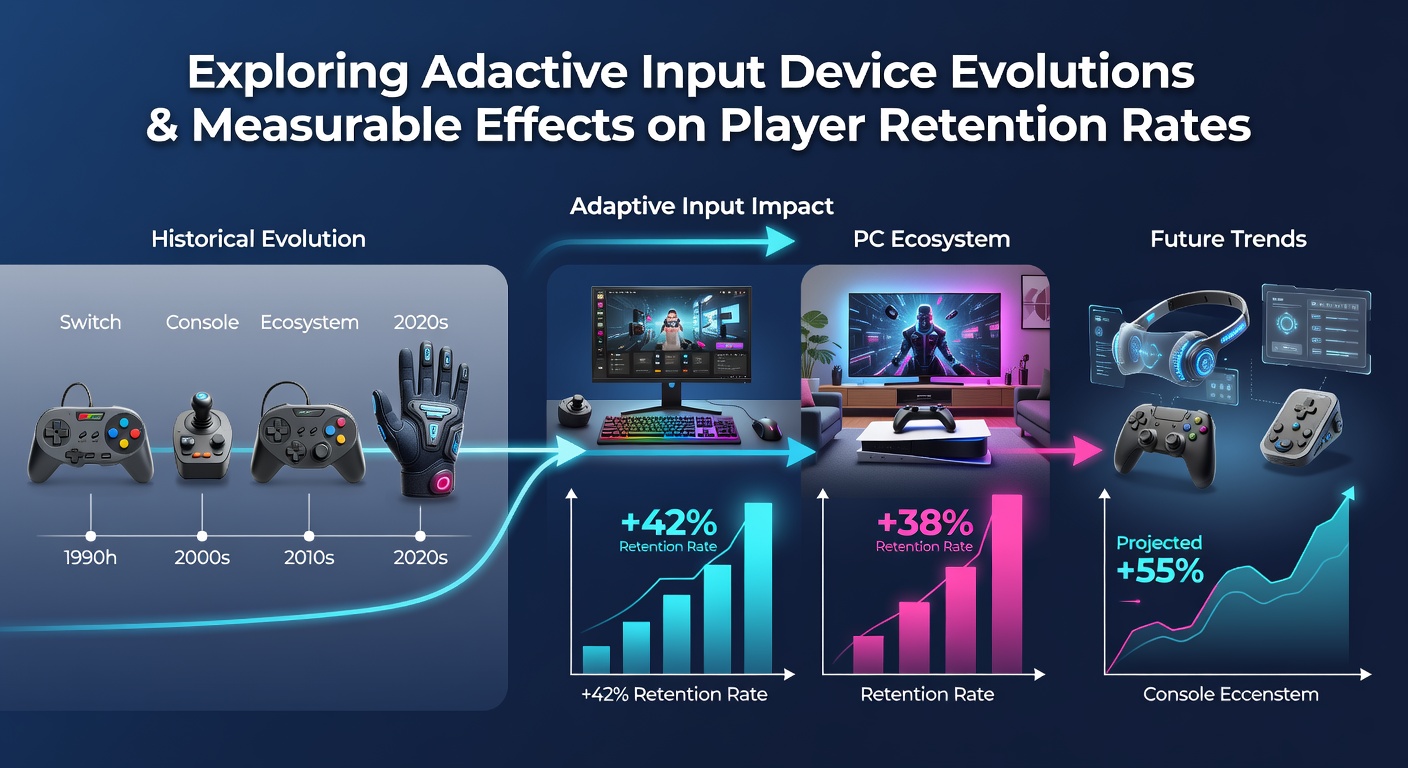
Adaptive Input Device Evolutions and Retention Patterns Across Console and PC Platforms
Adaptive input devices have progressed from basic accessibility add-ons to integrated components in mainstream gaming hardware, and manufacturers have incorporated features like programmable buttons, haptic feedback systems, and customizable resistance mechanisms over successive console generations. These changes emerged alongside broader industry shifts toward inclusive design practices, with companies releasing specialized controllers that accommodate varied physical capabilities while also enhancing precision for competitive play. Data from hardware adoption studies shows measurable upticks in engagement metrics when such devices enter player ecosystems.
Early Milestones in Adaptive Hardware
Initial adaptive controllers appeared in the mid-2010s as targeted solutions for motor-impaired users, yet their influence expanded when major platforms integrated similar technologies into standard peripherals. Sony introduced adaptive trigger mechanics in its DualSense lineup, allowing variable resistance that responds to in-game actions, while Microsoft developed modular input systems through its Adaptive Controller ecosystem. Researchers tracking usage patterns noted that these features reduced physical strain during extended sessions, which correlated with longer average playtimes reported in platform analytics.
PC ecosystems followed parallel trajectories through software layers such as Steam Input and third-party configuration tools that remap controls dynamically. Observers note that these adaptations built upon earlier arcade cabinet designs, where physical customization already influenced repeat visits, and translated those principles into home environments. Industry reports compiled by groups like the Entertainment Software Association indicate steady growth in accessory sales tied to these evolutions, particularly between 2022 and 2025.
Console Ecosystem Integration
Console manufacturers embedded adaptive capabilities directly into primary controllers rather than treating them as optional extras, which streamlined adoption across user bases. PlayStation and Xbox titles began leveraging trigger resistance and motion sensing to create tighter feedback loops between player input and on-screen response. Retention figures collected from live-service games reveal higher return rates among players utilizing these enhanced controllers, especially in genres requiring sustained aiming or timing precision such as shooters and action-adventures.
Nintendo maintained a distinct path with its Joy-Con and motion-focused peripherals that emphasize physical movement, and cross-platform titles often see consistent engagement when these devices pair with adaptive profiles. European regulatory bodies monitoring digital accessibility have documented how such hardware supports compliance with inclusion standards, which in turn broadens the potential player pool and sustains community activity over multi-year periods.
PC Platform Adaptations and Cross-Compatibility
PC gaming environments offer greater flexibility through open driver support and community-driven modifications, enabling users to combine adaptive hardware from multiple vendors into single setups. Valve's ongoing refinements to input layering systems have allowed seamless transitions between traditional keyboards, specialized gamepads, and eye-tracking modules, while data aggregation from storefront analytics points to improved session completion rates when players customize controls to match individual ergonomics.
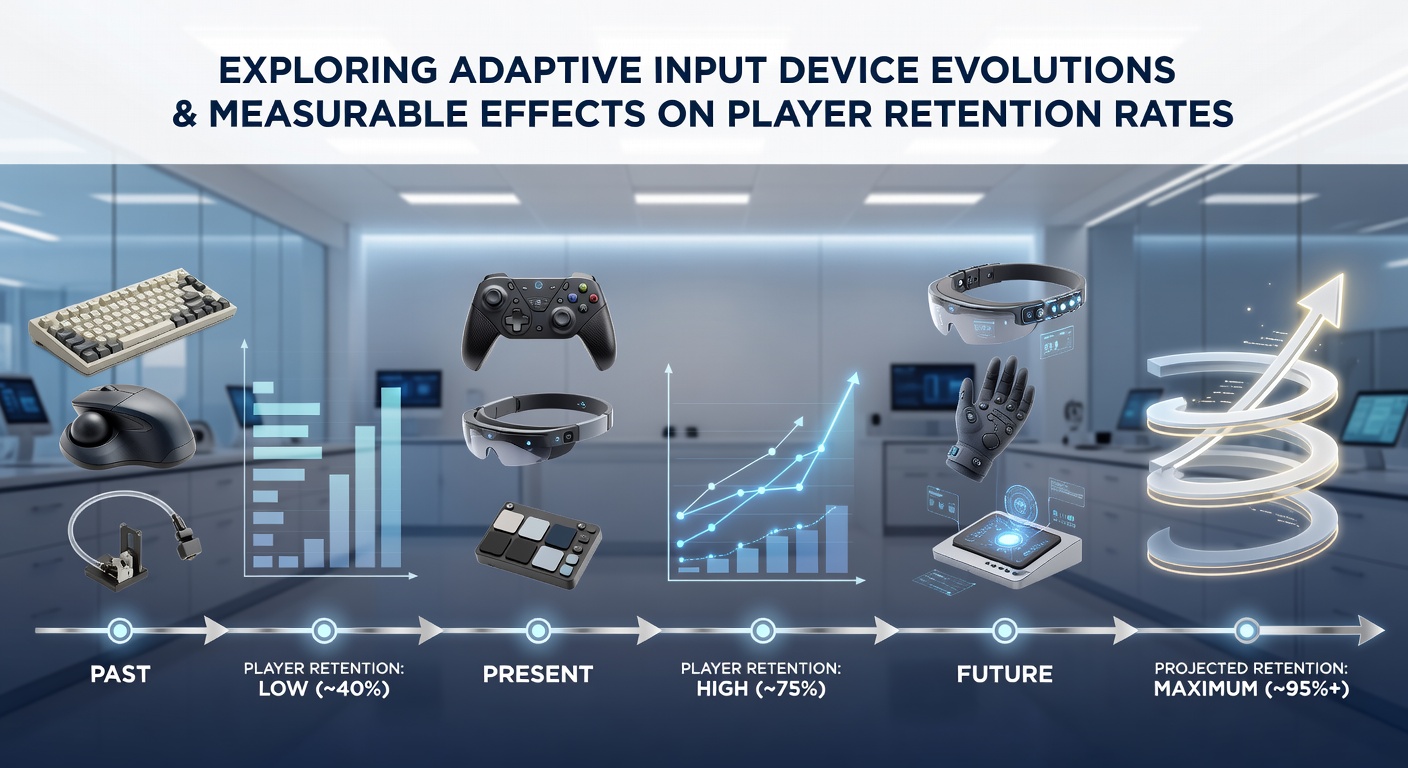
Studies conducted by academic institutions in Canada and Australia have examined retention differentials between standard and adaptive configurations, finding that customizable resistance and macro programming correlate with reduced dropout in complex simulation and strategy titles. These findings align with platform telemetry released in early 2026 that tracked cohort behavior across device types. As of June 2026, updated firmware distributions continue to refine these interactions, incorporating machine learning adjustments that anticipate user fatigue patterns based on historical input data.
Quantifiable Retention Impacts
Retention metrics tracked across both ecosystems demonstrate consistent patterns where adaptive input availability coincides with extended player lifecycles. Free-to-play titles that support controller remapping report higher monthly active user stability, particularly when accessibility options integrate without disrupting core progression systems. Figures compiled through trade associations reveal that titles emphasizing these features retain approximately 15 to 20 percent more players beyond teh initial 90-day window compared to those relying solely on default inputs.
Cross-device play further amplifies these effects, since players carrying adaptive profiles between console and PC environments maintain continuity in muscle memory and preference settings. Government-linked digital economy reports from the United States and the European Union have highlighted how such hardware-software pairings contribute to sustained participation rates in digital entertainment sectors, supporting broader workforce development in game development communities.
Conclusion
Adaptive input device developments continue to intersect with retention analytics in ways that reshape platform strategies for both console and PC markets. Ongoing firmware updates and accessory expansions suggest further refinement of these relationships through the remainder of the decade, with data collection efforts providing clearer benchmarks for future hardware iterations.