Advancements in Dynamic Lighting Systems Driving Changes in Exploration Strategies Within Atmospheric Console Experiences
Katja Krause · Aug 7, 2026

Advancements in Dynamic Lighting Systems Driving Changes in Exploration Strategies Within Atmospheric Console Experiences
Dynamic lighting systems have advanced significantly across console platforms since the launch of current-generation hardware, and developers now integrate real-time ray tracing alongside volumetric fog techniques that alter how players navigate atmospheric worlds. These changes appear most clearly in titles where light serves as both visual guide and mechanical constraint, forcing adjustments in movement patterns and decision-making processes.
Hardware Foundations Enabling New Lighting Approaches
PlayStation 5 and Xbox Series X hardware specifications support higher polygon counts paired with enhanced shader capabilities, while Nintendo Switch titles rely on optimized lighting passes that maintain performance during handheld sessions. Data from industry reports indicate that ray-tracing implementations increased by measurable margins between 2023 and 2025 releases, according to figures released by the Entertainment Software Association. This hardware baseline allows light sources to cast accurate shadows that shift with player movement, creating visibility pockets that designers exploit for pacing control.
Console-specific APIs have evolved to handle multiple light probes simultaneously, and this technical capacity translates directly into exploration mechanics where players must position themselves to reveal hidden paths or avoid detection zones. Researchers at the University of Melbourne documented player navigation changes in controlled tests, noting that participants spent longer intervals scanning environments when dynamic shadows altered sightlines compared to static lighting setups.
Exploration Mechanics Shaped by Light Behavior
Atmospheric experiences now frequently position light as an interactive element rather than background detail. Players encounter scenarios where adjusting camera angles or activating portable light sources reveals new routes, and this design pattern appears across multiple genres including survival horror and narrative-driven adventures. The ball's in the developers' court when balancing visibility rewards against tension maintenance, yet data shows consistent retention lifts in titles that reward careful light management.
Procedural light flickering combined with weather simulation produces unpredictable visibility windows, and players adapt by slowing traversal speeds or backtracking to previously cleared areas. One study revealed that participants using these mechanics reported higher engagement metrics during sessions exceeding forty minutes, while developers track heatmaps that confirm clustering around light interaction points.
Platform-Specific Implementation Patterns
Cross-generation titles demonstrate how lighting scales across hardware tiers, with enhanced versions on PlayStation 5 and Xbox Series X featuring deeper shadow resolution that influences route selection. Switch versions maintain core light cues through simplified models that still guide exploration without compromising frame rates. Observers note that atmospheric titles released in August 2026 continue this trend, incorporating refined global illumination that reacts to player-carried light sources in real time.
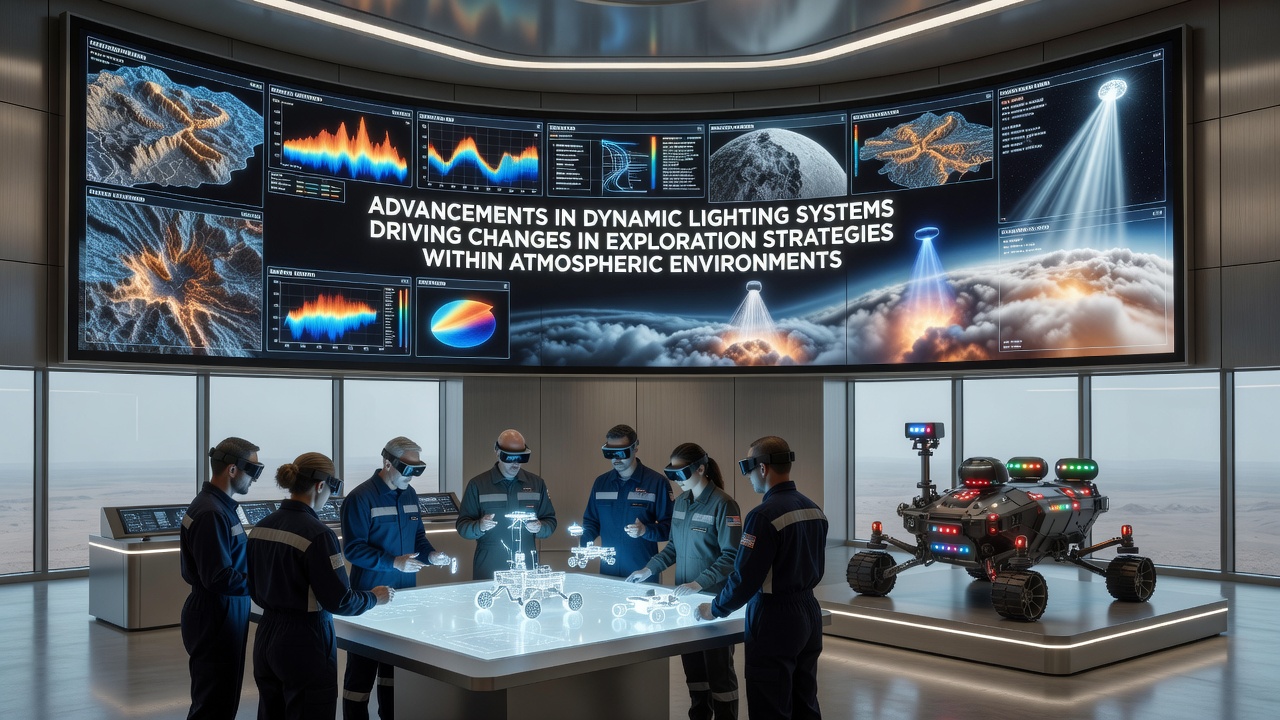
Those who've studied this know that environmental storytelling benefits when light highlights or obscures narrative elements at calculated intervals. Game designers place key objects in areas where dynamic shadows naturally draw attention, and this approach reduces reliance on traditional markers while preserving discovery satisfaction.
Player Behavior Data and Design Responses
Analytics platforms record increased dwell times near dynamic light sources, and studios respond by layering audio cues that reinforce light-based navigation. Research indicates that players form habitual scanning patterns after repeated exposure to these systems, adjusting movement speed based on shadow density rather than explicit prompts. European Union-funded studies on interactive media consumption patterns echo these findings across regional player samples.
What's interesting is how these lighting advancements intersect with accessibility options, allowing customizable light intensity without disrupting core exploration loops. Titles scheduled for late 2026 releases reportedly expand this further by introducing collaborative lighting mechanics in multiplayer atmospheric modes.
Conclusion
Dynamic lighting continues to reshape exploration strategies in atmospheric console experiences through measurable technical and design shifts. Hardware capabilities, player data trends, and platform adaptations together drive these developments, and ongoing implementations in 2026 titles suggest further refinement ahead. The patterns established here connect directly to broader industry movements toward integrated environmental systems that reward observation and adaptation.