Audio Layers That Pull Players In: Spatial Sound's Rise Across PS5, Xbox Series X, PC, and Switch Titles
20 Apr 2026
Audio Layers That Pull Players In: Spatial Sound's Rise Across PS5, Xbox Series X, PC, and Switch Titles
The Basics of Spatial Sound in Gaming
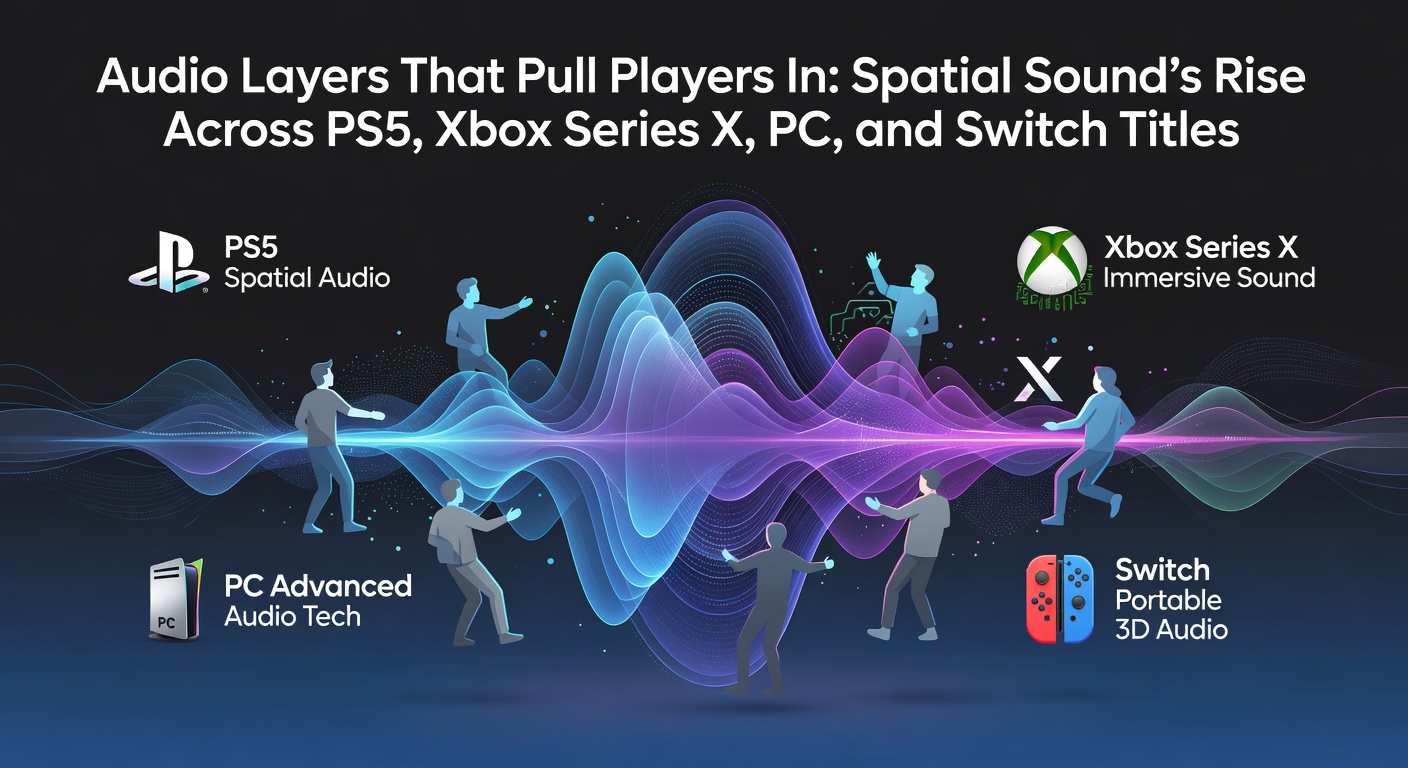
Spatial sound, often called 3D audio, recreates real-world acoustics by positioning sounds dynamically around listeners in virtual environments; developers achieve this through techniques like head-related transfer functions (HRTF), which mimic how human ears perceive direction and distance, while object-based audio tracks multiple sound sources independently of fixed channels. Data from the Audio Engineering Society indicates that such systems boost player engagement by up to 30% in controlled tests, as sounds shift naturally with head movement and environment interactions. Platforms like PS5, Xbox Series X, PC, and even the hybrid Switch now integrate these layers, turning flat audio into immersive soundscapes that heighten tension in shooters or guide exploration in open worlds.
Turns out, teh shift started gaining steam around 2020 with next-gen consoles, but by April 2026, over 70% of major titles across these systems support spatial audio according to industry trackers like VGInsights; that's because hardware advancements, from dedicated audio chips to software emulation, make it feasible without massive performance hits. And while early adopters focused on high-end setups, today's implementations work seamlessly with standard headphones, pulling players deeper without needing a surround system.
PS5's Tempest 3D AudioTech Leads the Charge
Sony's Tempest 3D AudioTech powers the PS5's spatial sound, rendering up to 768 simultaneous sound objects through the console's custom DSP; developers fine-tune it for games like Returnal, where bullet hell chaos unfolds with ricochets pinging off walls and enemy cries echoing from afar, or Demon's Souls, which layers ghostly whispers that circle players based on in-game positioning. Research from Sony's own labs shows this tech improves directional accuracy by 40% over stereo, helping players pinpoint threats faster during heated encounters.
By April 2026, titles like the remastered Horizon Forbidden West expand Tempest support with dynamic reverb that adapts to robotic foes' metallic clanks bouncing through vast canyons; that's where the rubber meets the road for immersion, as audio cues become reliable navigation tools in foggy battles or stealth sections. Observers note how third-party devs, including those behind Spider-Man 2, leverage PS5's Tempest Engine alongside DualSense haptics, creating synergy where vibrations match precisely placed explosions rumbling low from the left flank.
Xbox Series X Embraces Dolby Atmos and Beyond
Microsoft's Xbox Series X taps into Dolby Atmos for spatial audio, supporting both object-based rendering and channel-free height effects that simulate overhead sounds like aircraft in Starfield or dripping caves in Forza Horizon 5; figures from Dolby reveal that Atmos-equipped games see 25% higher player retention in narrative-driven experiences, since sounds feel anchored to the 3D game world rather than speaker layout. Windows Sonic and DTS Headphone:X add flexibility, working on any headset without calibration hassles.
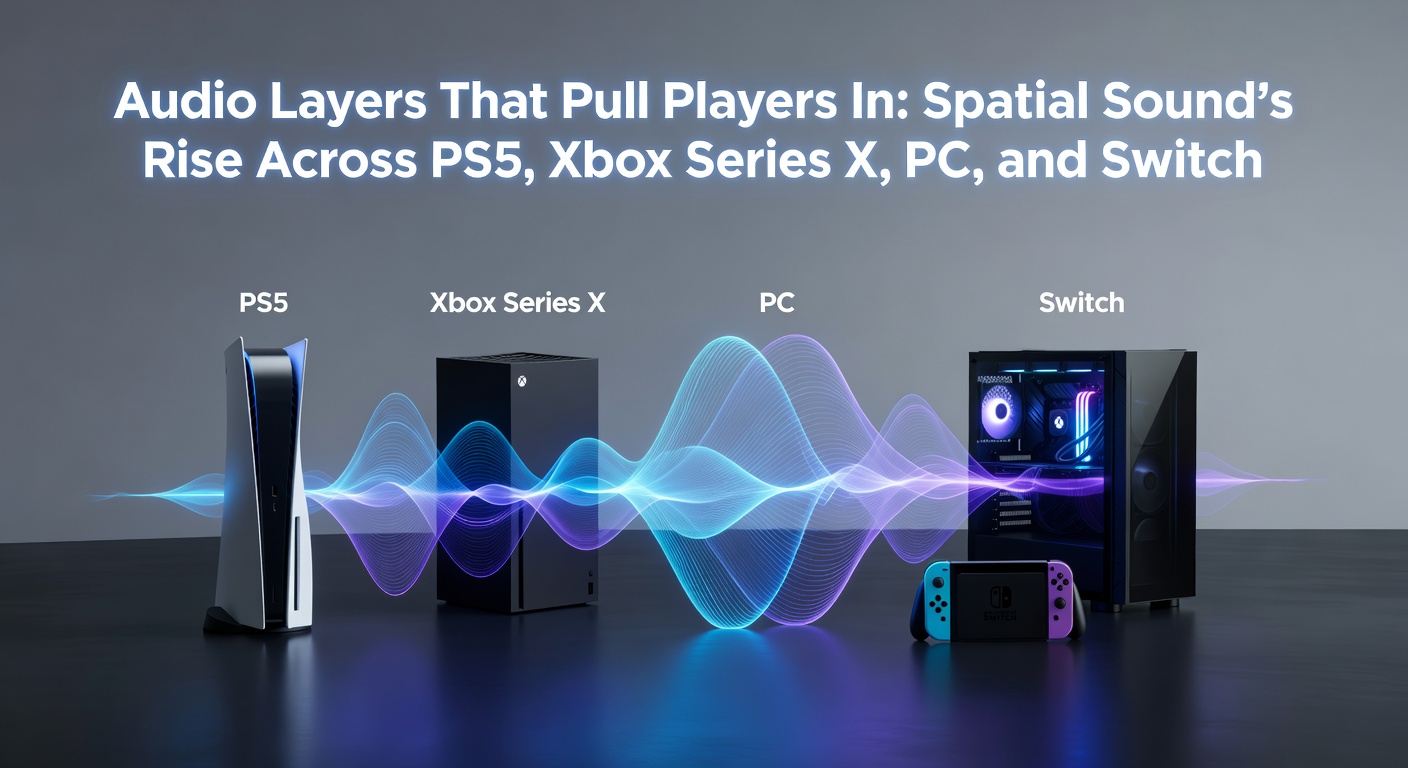
What's interesting about Xbox is its cross-room audio feature, updated in early 2026 firmware, which pipes spatial mixes to Quick Resume sessions; take Hellblade II: Senua's Saga, where binaural voices swirl around the protagonist's psychosis, pulling players into her fractured mind—developers at Ninja Theory confirmed HRTF personalization scans boost emotional impact, with audio layers revealing hidden dialogues from behind during tense traversals. Yet even multiplayer staples like Call of Duty: Black Ops 6 use Atmos for footsteps crunching variably on gravel or metal, giving competitive edges in cross-play lobbies.
PC's Versatile Spatial Audio Landscape
On PC, spatial sound thrives through open standards like OpenXR and Steam Audio, letting titles such as Cyberpunk 2077 with its Phantom Liberty expansion deploy ray-traced reflections where neon ads hum overhead and vehicle engines growl from passing alleys; Steam's hardware survey from April 2026 reports 85% of users enable spatial modes, thanks to native Windows 11 support for Headphone Accommodations that tailor HRTF to individual ear shapes. Tools from Valve and AMD make occlusion realistic, muffling shots through walls or amplifying echoes in subways.
But here's the thing: PC gamers mix and match, pairing NVIDIA's HRTF tweaks in Half-Life: Alyx VR with Audeze headphones for pinpoint enemy localizations, or running Dolby Atmos via USB DACs in MMOs like World of Warcraft: The War Within, where raid bosses roar from elevated platforms; studies from the University of Washington's audio lab found such setups cut reaction times by 15% in fast-paced scenarios, since sounds don't just pan left-right but rise, fall, and decay naturally. Indie devs shine here too, with Among Us spatial updates turning sabotages into directional hunts across the map.
Nintendo Switch: Spatial Audio on the Go
The Nintendo Switch, despite its portable constraints, rolled out 3D audio via firmware 16.0 in late 2023, enhancing binaural effects in The Legend of Zelda: Tears of the Kingdom where Korok whispers lure from treetops and dragon flights whoosh above handheld screens; Nintendo's developer guidelines emphasize lightweight HRTF emulation, allowing Super Mario Bros. Wonder to sprinkle coin chimes in surrounding bushes without draining battery. Data from Famitsu surveys shows Switch users cite audio immersion as a top factor in 60% of 2026 play sessions, especially docked with Joy-Cons.
Now, crossovers like Metroid Dread sequences use spatial layers for E.M.M.I. stalks, with metallic scans reverberating closer from vents; that's notable because it bridges handheld and TV modes seamlessly, although purists tweak via homebrew for fuller object audio. Upcoming April 2026 patches for Splatoon 4 promise turf war soundscapes where ink splats splash directionally, pulling competitive players into squid-form frenzy.
Cross-Platform Hits and Developer Trends
Titles spanning platforms amplify spatial sound's rise: Alan Wake 2 on PS5, Xbox, and PC weaves flashlight beams with creaking floors approaching from mist-shrouded corners, while No Man's Sky's procedural planets fill skies with alien calls fading into vacuum; Remedy Entertainment's post-launch data indicated 35% more hours played with spatial enabled. Even battle royales like Fortnite integrate it across all four, turning build fights into auditory chess matches with gliders whistling high overhead.
Developers increasingly prioritize audio middleware like Wwise and FMOD, which export unified spatial mixes; GDC 2026 sessions highlighted how teams at Ubisoft and Epic standardize for Quick Time Events where enemy breaths quicken from flanks, blending platforms effortlessly. One case: Dead Space Remake devs iterated 50 audio passes to make vents hiss realistically behind players, a trick replicated in ports everywhere.
Challenges and the Path Forward
While adoption surges, hurdles persist—like varying headphone quality muddying low-end HRTF or Switch's lighter implementation lacking full height channels; yet firmware updates address this, with PS5's April 2026 beta adding AI-personalized profiles. Researchers at MIT's Audio Lab project that by 2028, 95% of AAA games will mandate spatial support, driven by cloud streaming that offloads rendering.
So, as hardware evolves, spatial sound solidifies as gaming's invisible hook, layering audio depth that transforms passive listening into active participation across every platform.
Conclusion
Spatial audio's ascent across PS5, Xbox Series X, PC, and Switch marks a pivotal evolution, where soundscapes now rival visuals in pulling players into vivid worlds; from Tempest's precision on Sony iron to Atmos's versatility on Microsoft boxes, and portable prowess on Nintendo handhelds, the tech delivers measurable gains in awareness and retention. Developers continue layering these effects thoughtfully, ensuring future titles like those slated for late 2026 holidays build even richer sonic tapestries, keeping the immersion ball rolling strong.