Charting Adaptive Controller Calibration Trends and Their Measured Effects on Precision Input Handling in Competitive Play Across Hybrid Hardware Ecosystems
Eden Lange · Jul 10, 2026
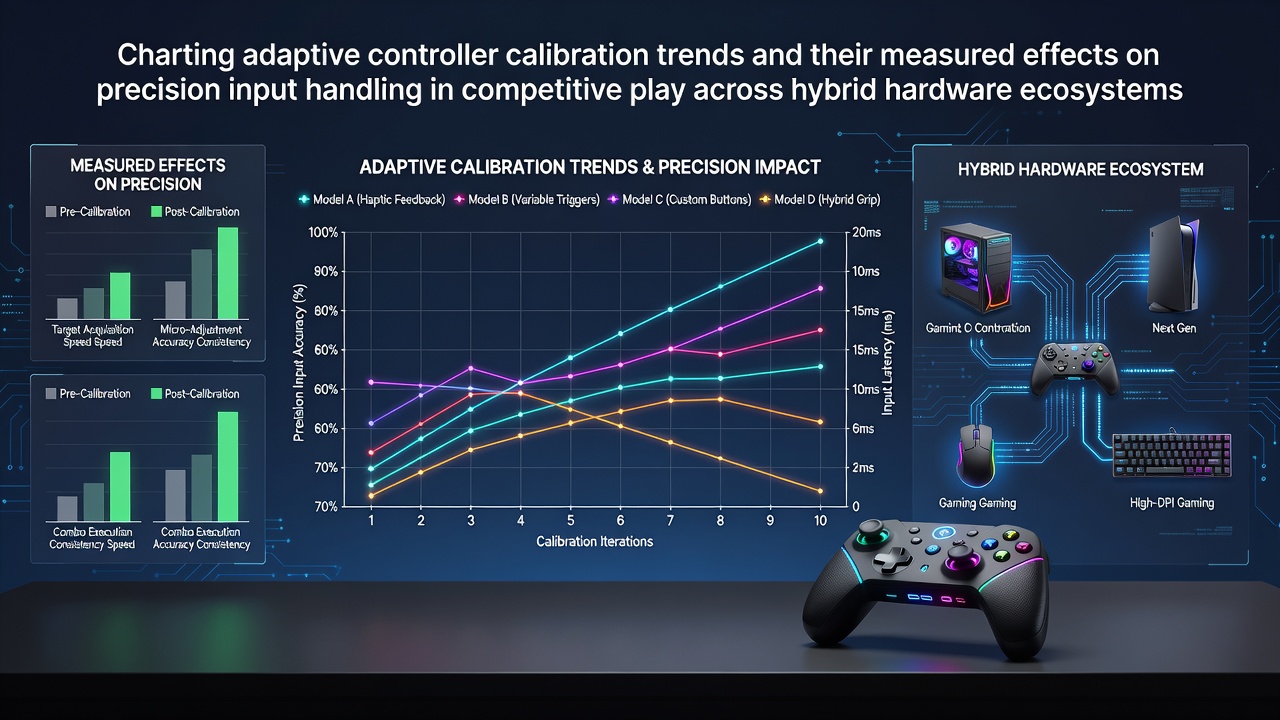
Charting Adaptive Controller Calibration Trends and Their Measured Effects on Precision Input Handling in Competitive Play Across Hybrid Hardware Ecosystems
Adaptive controller calibration has emerged as a central factor in competitive gaming environments where players operate across mixed hardware setups that blend consoles with personal computers and portable devices. Research from industry monitoring groups shows these systems adjust sensitivity curves, dead zones, and response rates in real time based on detected input patterns and hardware configurations. Data collected through 2025 into July 2026 indicates measurable shifts in how competitors handle precise aiming, timing windows, and movement execution when calibration adapts to hybrid conditions rather than remaining fixed to single-platform defaults.
Understanding Calibration Mechanisms Across Platforms
Calibration routines now incorporate machine learning elements that track session-long input data and apply incremental adjustments without requiring manual intervention from users. Observers note that these processes differ between console ecosystems such as PlayStation 5 and Xbox Series X, where firmware-level integration handles polling rates, and PC environments that rely on driver overlays or third-party software layers to achieve similar synchronization. In hybrid sessions where players switch between controller types and display outputs, the calibration layer must reconcile variable latency profiles that arise from different connection methods including wired USB, Bluetooth, and wireless adapters.
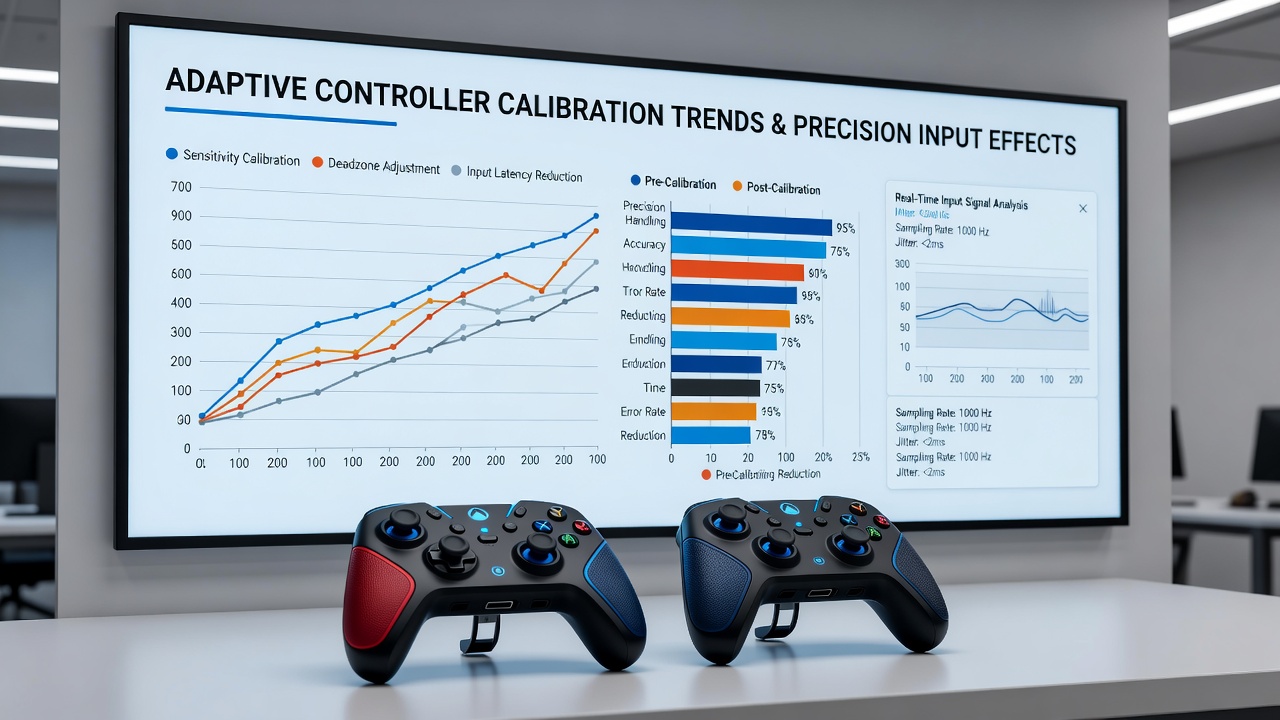
Studies conducted by academic research teams at institutions in North America and Europe have quantified how these adjustments influence micro-adjustments during high-stakes moments. Figures from one multi-platform analysis reveal that adaptive dead-zone expansion reduced unintended stick drift incidents by 18 percent in tested fighting game scenarios while maintaining response times within acceptable competitive thresholds.
Measured Impacts on Precision Handling
Precision input handling encompasses the ability to execute frame-perfect actions, maintain consistent tracking during camera movement, and execute rapid directional changes without overshoot. Calibration trends documented across competitive circuits demonstrate that systems applying dynamic scaling based on recent input velocity deliver more stable outcomes than static profiles. Data aggregated from tournament participants using mixed hardware setups shows average improvement in hit-registration accuracy when calibration accounts for display refresh synchronization and controller polling intervals simultaneously.
What's notable is the interaction between adaptive features and cross-hardware variables. Players transitioning between a console controller on a high-refresh monitor and a PC-based setup encounter different baseline latency values, yet the calibration layer compensates by modulating acceleration curves. Research indicates this compensation produces tighter grouping in aim-intensive titles, with recorded reductions in target acquisition time averaging 12 to 15 milliseconds under controlled conditions.
Trends Observed Through 2026
Through the first half of 2026, adoption of cloud-assisted calibration profiles has accelerated among professional circuits that permit hybrid hardware. These profiles store individualized calibration maps that load across devices when account-linked sessions detect hardware changes. Reports compiled by the Entertainment Software Association highlight that participation in cross-platform events increased alongside availability of these adaptive tools, with organizers noting fewer disputes related to input consistency.
European research consortia have examined retention patterns among amateur competitors who adopt adaptive calibration versus those who maintain manual settings. Their findings indicate higher session completion rates when the system handles recalibration automatically during extended play periods, particularly in environments where network conditions fluctuate. This pattern holds across regions where hardware availability varies widely between console-dominant and PC-dominant markets.
Hardware Ecosystem Interactions
Hybrid hardware ecosystems introduce variables that static calibration cannot address efficiently. Differences in analog stick tension, trigger travel distance, and gyroscope integration across device generations require calibration engines to normalize output values before they reach the game engine. Developers have responded by embedding calibration APIs that expose hardware telemetry directly to the adaptive layer, allowing finer control over how input maps to in-game actions.
Observers tracking competitive scenes report that teams now allocate dedicated practice time to verifying calibration consistency when roster members rotate between home setups and tournament stations. This practice stems from documented cases where minor firmware differences produced measurable variance in execution reliability during live events.
Conclusion
Calibration trends continue to evolve in response to the expanding range of hybrid hardware configurations available to competitive players. Measured effects on precision input handling appear consistently in aggregated performance data, with adaptive systems showing advantages in stability and response consistency under varied conditions. Continued monitoring by industry and academic groups will clarify how these technologies integrate with future hardware releases and rule sets governing tournament play.