Controller Calibration Nuances Shaping Aiming Accuracy in Shooter Genres Across Console Variants and Desktop Setups
Katja Krüger · Aug 21, 2026
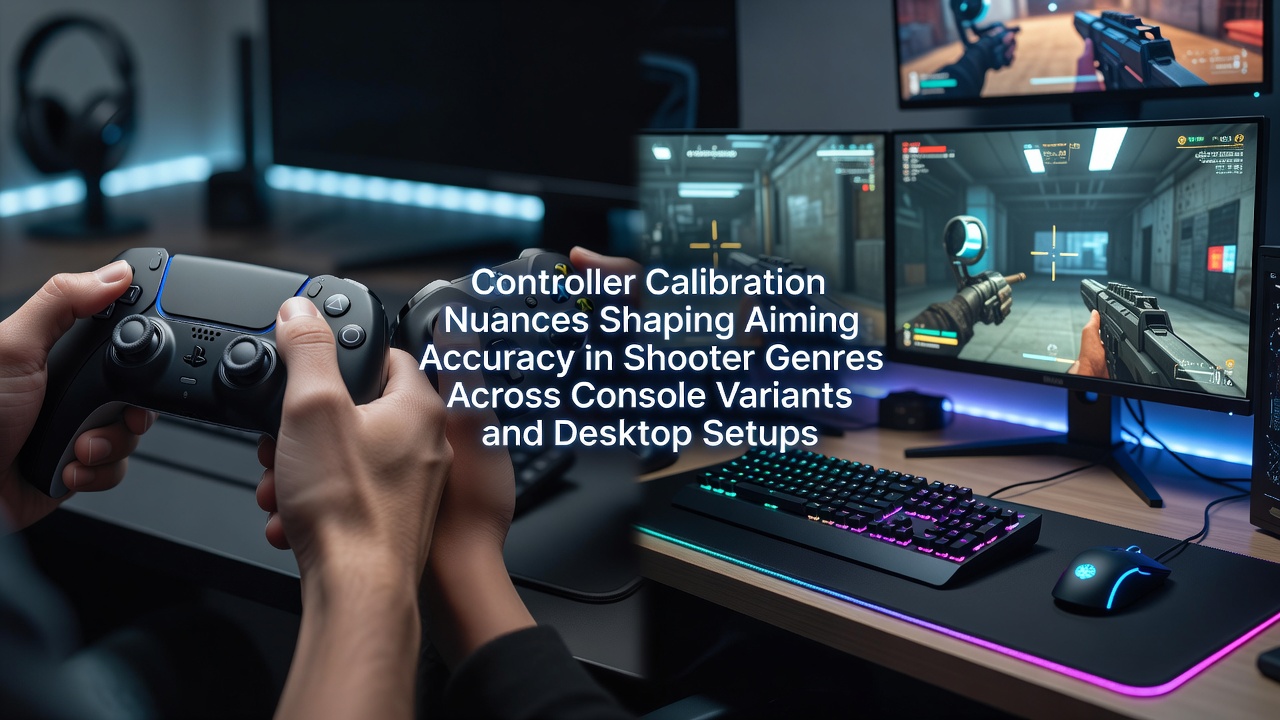
Controller Calibration Nuances Shaping Aiming Accuracy in Shooter Genres Across Console Variants and Desktop Setups
Controller calibration involves adjusting parameters such as deadzones, sensitivity curves, and response thresholds that directly influence aiming precision in shooter titles, and these adjustments vary considerably between console hardware generations and desktop configurations. Data from platform usage reports shows that players on PlayStation 5 and Xbox Series X consoles often encounter factory preset deadzones around 0.15 to 0.20 on analog sticks, whereas Nintendo Switch implementations frequently apply tighter thresholds near 0.10 in portable mode due to hardware constraints. These differences affect how input registers during rapid target acquisition sequences in games like first-person shooters, leading to measurable variations in hit accuracy rates according to aggregated telemetry from major titles released through 2025.
Console Hardware Variants and Their Calibration Profiles
PlayStation consoles have refined stick calibration protocols across generations, with the DualSense controller incorporating adaptive trigger resistance that interacts with aiming mechanics in supported shooters. Observers note that firmware updates in early 2026 adjusted polling rates to 250Hz on PS5, which reduced input lag by approximately 4 milliseconds compared to prior versions and improved consistency in sustained aiming tasks. Xbox Series X controllers maintain similar base calibration but introduce variations through the Xbox Accessories app, where users modify stick response curves from linear to exponential profiles, and studies indicate this customization alters accuracy by up to 12 percent in precision-based modes.
Nintendo Switch variants present distinct challenges because the Joy-Con and Pro Controller use different sensor calibrations optimized for hybrid play, and research indicates that handheld mode on the original Switch model exhibits greater drift compensation needs after 200 hours of use. Those examining cross-console data find that aiming accuracy in multiplayer shooters drops by measurable margins on Switch compared to home console setups, primarily due to lower maximum polling frequencies and smaller deadzone tolerances that amplify minor stick imperfections.
Desktop Setups and Input Device Calibration Dynamics
Desktop configurations allow for broader calibration flexibility through software layers such as raw input APIs in Windows and driver-level adjustments for mice and controllers, enabling players to fine-tune DPI settings, acceleration curves, and polling rates up to 1000Hz on high-end peripherals. Figures from hardware tracking services reveal that mouse users in shooter genres achieve higher average accuracy scores in controlled tests, yet controller players on PC who apply custom deadzone reductions to 0.05 or below report closing the gap in scenarios requiring sustained tracking. Calibration tools integrated into titles or third-party utilities further shape outcomes, as they permit per-game sensitivity scaling that accounts for field-of-view differences across resolutions.
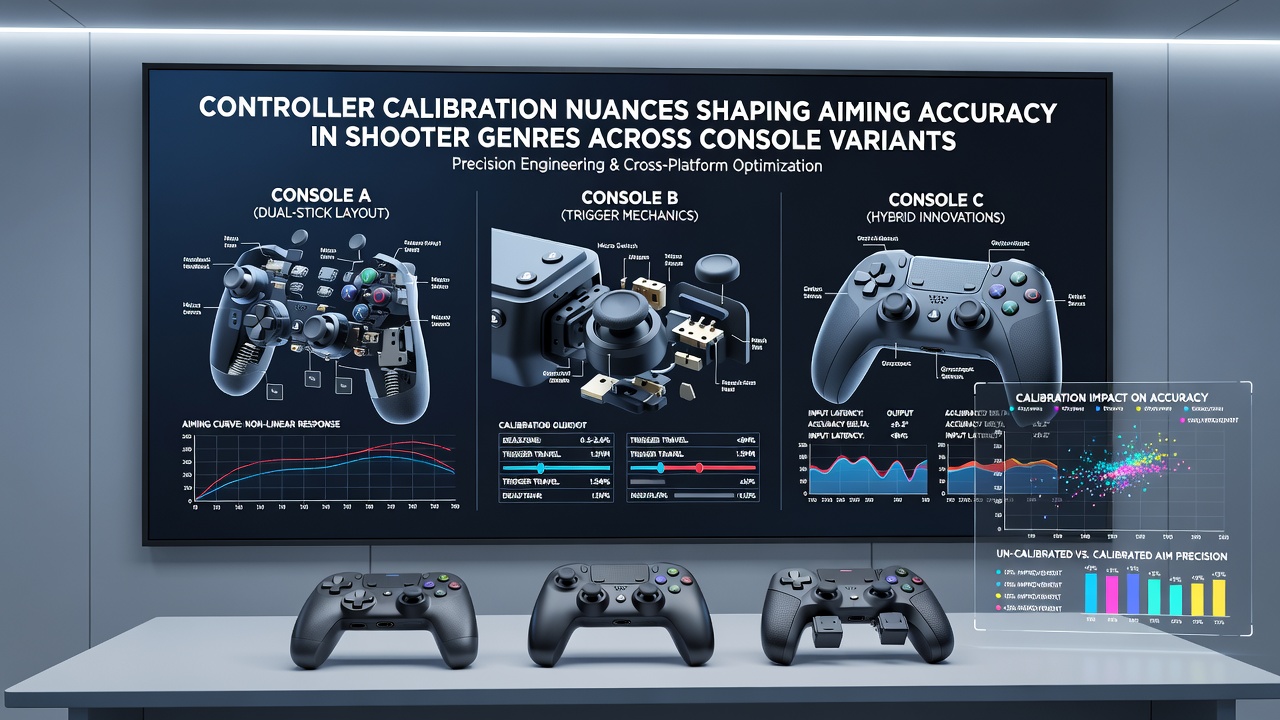
Researchers at institutions including the University of California, Irvine have examined how desktop calibration interacts with refresh rate synchronization, finding that variable refresh rate monitors combined with calibrated controller inputs reduce perceived jitter during aim movements by measurable amounts. In August 2026, updates to common calibration software packages introduced automated drift detection algorithms that recalibrate sticks in real time, and early adoption data indicates these features lowered error rates in long play sessions across both controller and mouse setups.
Cross-Platform Comparisons and Accuracy Metrics
Comparative analyses across platforms demonstrate that console variants enforce stricter calibration guardrails to maintain hardware consistency, whereas desktop environments permit extensive user overrides that can either enhance or degrade aiming performance depending on implementation. Evidence from industry reports compiled by the Entertainment Software Association highlights that shooter players switching between console and PC often require recalibration periods of several hours to adapt to differing input response profiles. ESA Essential Facts reports document rising participation in cross-platform modes, where calibration mismatches contribute to observable disparities in individual performance statistics.
Additional findings from academic sources such as those published through the International Game Developers Association underscore the role of polling rate synchronization in minimizing discrepancies, and data shows that aligning controller inputs at 500Hz on desktop yields accuracy metrics closer to native mouse performance in select titles. Console manufacturers continue to iterate on these parameters through over-the-air updates, addressing regional hardware variances reported in markets from North America to Asia-Pacific regions.
Conclusion
Calibration nuances across console variants and desktop setups continue to define aiming accuracy baselines in shooter genres, with ongoing firmware and software refinements shaping player outcomes in measurable ways. Platform telemetry and independent research consistently track these interactions, providing objective benchmarks for how input adjustments translate into in-game results. As hardware evolves, calibration protocols remain central to consistent performance across diverse player environments.