29 May 2026
Decoding Seasonal Event Design Patterns and Retention Data in Free-to-Play Ecosystems Across Device Types
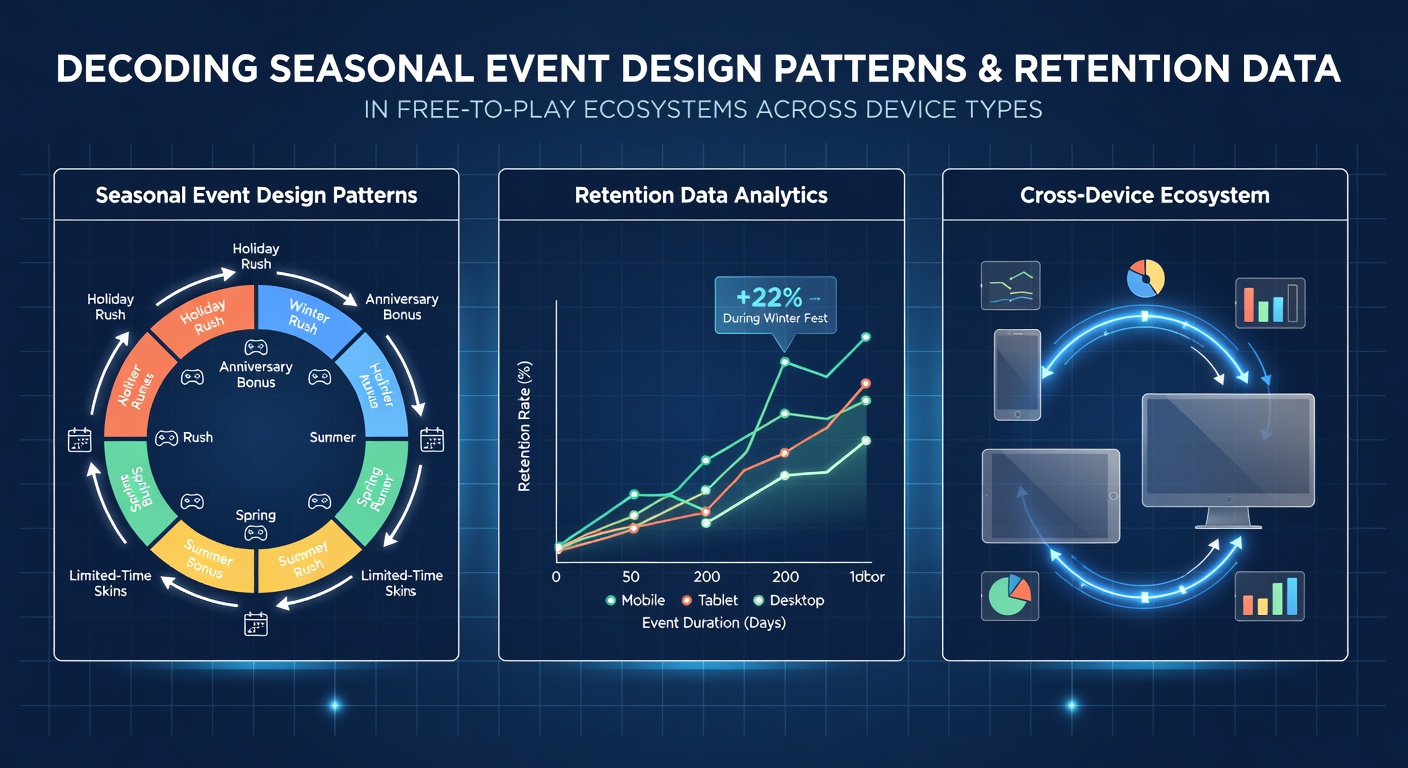
Free-to-play ecosystems rely on seasonal events to structure player activity around recurring themes and limited-time rewards, and design patterns in these events show measurable connections to retention metrics collected across mobile, PC, and console platforms. Data collected through 2025 and into May 2026 indicates that events built around progression systems such as battle passes and rotating challenges maintain daily active user rates differently depending on device type, with mobile titles often recording higher short-term spikes while console and PC versions sustain longer session lengths during the same periods.
Core Design Patterns in Seasonal Events
Seasonal events typically follow repeatable structures that layer new content onto existing core loops, and these structures include time-gated rewards, community-wide goals, and device-optimized interfaces that adjust for touch controls versus traditional inputs. Researchers tracking patterns across multiple titles note that events lasting between four and six weeks produce consistent retention curves when they incorporate daily login bonuses paired with weekly milestones, whereas shorter three-week cycles tend to concentrate activity in the first ten days before tapering off more sharply on mobile devices. PC and console versions of the same events often extend engagement through cross-save features that allow players to resume progress on different hardware, and this flexibility correlates with steadier weekly retention figures reported in industry datasets.
Retention Metrics Across Device Types
Retention data reveals distinct behaviors by platform, with mobile free-to-play titles showing rapid uptake in the first forty-eight hours of an event followed by steeper drop-offs unless additional push notifications reinforce return visits. In contrast, console ecosystems demonstrate steadier day-seven and day-thirty retention when events align with controller-friendly navigation and larger-screen visual updates. Figures from multiple platform analytics providers indicate that PC players exhibit the highest cross-device migration during seasonal periods, moving between desktop and handheld modes while maintaining account-linked progress. Observers tracking these shifts through May 2026 have documented how events emphasizing collectible cosmetics rather than competitive rankings tend to hold broader audiences across all three device categories without favoring one input method over another.
What's notable is how event pacing interacts with hardware capabilities. Mobile sessions average under fifteen minutes during peak event hours, yet cumulative playtime across an entire season often exceeds that of console players who log fewer but longer sessions. This difference influences how developers time reward distribution, spacing high-value drops to match typical device usage windows rather than applying uniform schedules.
Comparative Analysis of Event Components
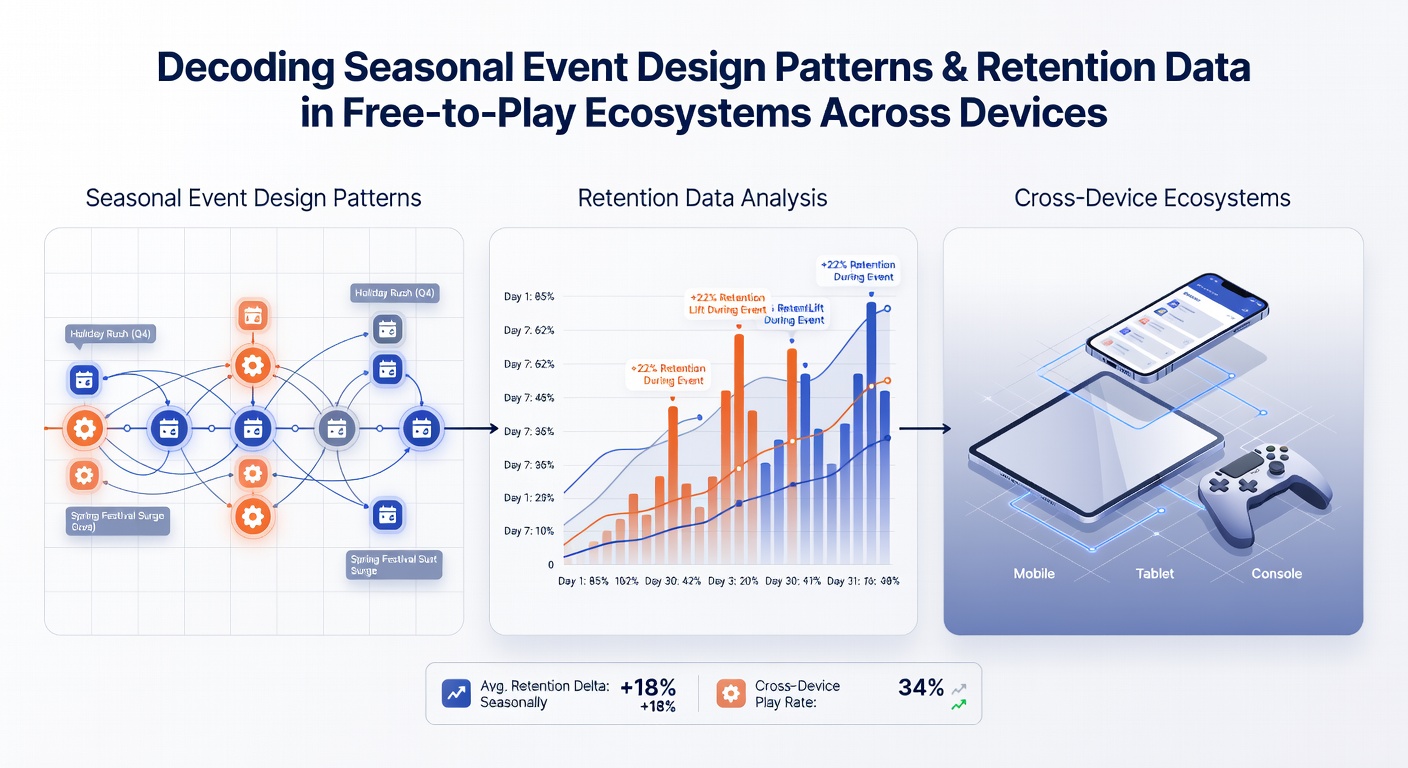
Battle pass systems appear across nearly all tracked free-to-play titles, and their tiered reward structures produce measurable retention lifts when premium tracks unlock at consistent intervals. Data shows mobile implementations achieve faster tier completion rates because of frequent micro-session opportunities, whereas console versions benefit from social features that encourage group participation during evening hours. Community goals that require collective progress display higher completion percentages on PC platforms where chat integration supports coordination, and these goals in turn correlate with improved day-fourteen retention across the broader player base. Limited-time modes introduced mid-season further segment audiences, with device-specific performance varying based on whether the mode emphasizes precision aiming suited to controllers or rapid tapping optimized for touchscreens.
Turns out that regional differences also surface in the data. Reports compiled by the Entertainment Software Association highlight stronger console retention during holiday-aligned seasons in North American markets, while studies referenced by the Interactive Games & Entertainment Association in Australia document steadier mobile engagement during non-holiday seasonal windows. These variations suggest that cultural timing and device penetration rates shape how event calendars perform in practice.
Platform-Specific Adjustments and Data Trends
Developers increasingly tailor event interfaces to device constraints, and this customization shows up in retention statistics when mobile versions prioritize simplified menus during events while console editions expand on visual spectacle. Through early 2026, aggregated telemetry indicates that cross-progression support reduces churn between devices by allowing players to switch hardware mid-event without losing streak bonuses. Single-device loyalists still represent the majority in most datasets, yet the growing minority of multi-platform users drives measurable gains in overall season-long retention when events include account-wide tracking. Patterns also emerge around monetization timing, with in-event purchases peaking at different points: mobile spikes often occur within the first week, while PC and console purchases distribute more evenly across the full duration.
Conclusion
Seasonal event design in free-to-play ecosystems continues to evolve alongside device capabilities, and retention data collected through May 2026 demonstrates clear platform-specific responses to the same underlying patterns. Battle passes, community goals, and timed rewards each interact differently with mobile touch interfaces, PC flexibility, and console social features, producing retention profiles that developers can anticipate through ongoing telemetry review. The interplay between event length, reward pacing, and hardware usage windows remains central to how these systems perform across ecosystems.