Echoes from the Booth: Examining Voice Direction Techniques That Enhance Emotional Depth in Story-Focused Experiences
Harper Washington · Jun 26, 2026
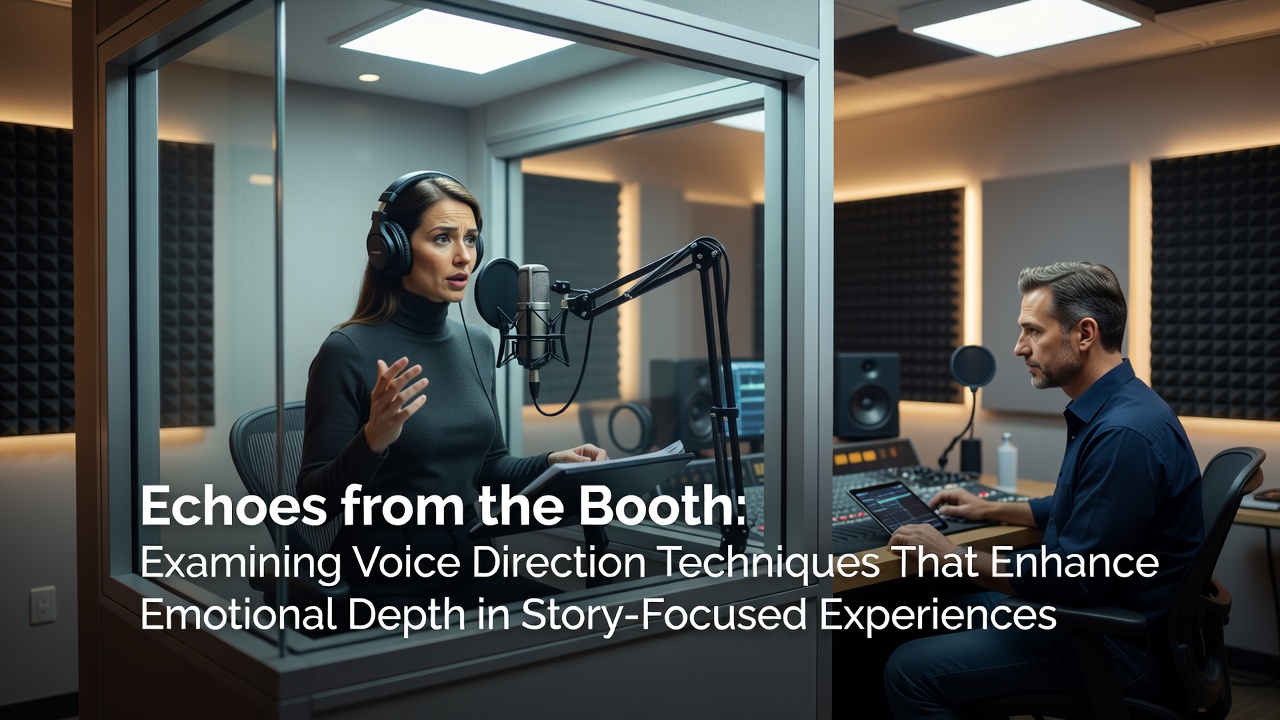
Echoes from the Booth: Examining Voice Direction Techniques That Enhance Emotional Depth in Story-Focused Experiences
Voice direction in story-focused games involves precise guidance of performers to convey layered emotions through timing, inflection, and silence, and developers have refined these methods across multiple console generations while integrating them with narrative structures that respond to player choices. Data from industry reports shows that teams now prioritize pre-production workshops where directors establish emotional arcs before recording sessions begin, allowing actors to explore character motivations in ways that align with branching storylines. Researchers discovered that such preparation reduces the need for extensive post-production edits and creates more consistent vocal performances across extended play sessions.
Core Techniques in Emotional Layering
Directors employ methods like micro-pauses to signal internal conflict, gradual shifts in pitch to build tension, and overlapping dialogue cues that mirror real conversational dynamics, and these approaches draw from established practices in film yet adapt specifically to interactive formats where player agency alters delivery contexts. Studies indicate that when voice direction incorporates environmental feedback, such as adjusting tone based on in-game weather or lighting changes, players report stronger connections to character development. Observers note that teams often use reference recordings from prior sessions to maintain continuity, especially in titles with multiple protagonists whose emotional states evolve independently yet intersect during key plot points.
One common strategy centers on breath work and subtext delivery, where performers convey unspoken thoughts through subtle vocal textures rather than explicit words, and this technique appears frequently in games released between 2023 and 2025. Figures from the Entertainment Software Association reveal that narrative-driven titles incorporating these layered vocal elements maintain higher completion rates among players who engage with full story modes. What's interesting is how directors balance scripted lines with room for improvisation during booth sessions, which allows authentic emotional spikes to emerge naturally within constrained dialogue trees.
Collaboration Between Directors and Performers
Effective voice direction relies on iterative feedback loops that occur both inside and outside the recording booth, and directors frequently share storyboards or early gameplay footage to ground actors in the emotional stakes of each scene. Those who've studied production pipelines report that sessions conducted in June 2026 at major developer conferences highlighted new tools for real-time emotion tracking, enabling directors to adjust cues on the fly based on biometric data from performers. This approach builds on earlier methods but adds precision through software that maps vocal frequencies to intended emotional states.
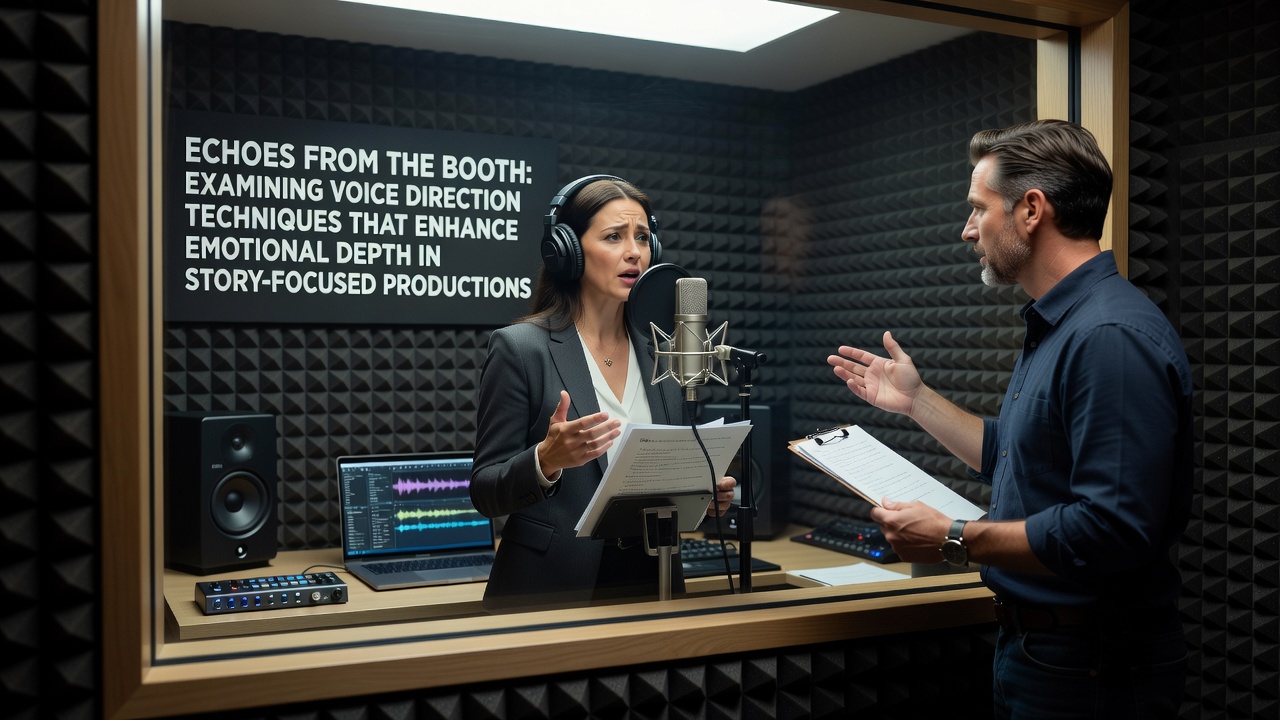
Teams also incorporate cultural consultants when games feature diverse casts, ensuring vocal inflections respect linguistic nuances that enhance authenticity and prevent misinterpretation of emotional intent. Research from the Interactive Software Federation of Europe shows that such inclusive practices correlate with broader audience retention across regions. Directors often start sessions with warm-up exercises focused on physical posture, which influences breath control and ultimately the emotional weight carried in each line.
Integration with Narrative Systems and Sound Design
Voice performances gain depth when synchronized with adaptive soundscapes and dynamic music systems, and developers achieve this through shared timelines that align vocal peaks with environmental audio triggers. Evidence suggests that titles using procedural narrative engines benefit from voice direction protocols that pre-map multiple emotional variants for the same line, allowing seamless transitions based on prior player decisions. People who've analyzed these pipelines find that close coordination between voice teams and audio engineers prevents clashes where background effects overpower subtle vocal nuances.
Another layer involves silence as a directed element, where performers receive explicit instructions on pause duration to heighten anticipation or convey resignation, and this method integrates with haptic feedback on controllers to reinforce emotional beats. Data indicates that games released in recent years have expanded these techniques to support longer campaigns without vocal fatigue, using modular recording blocks that directors reassemble during editing.
Case Examples from Recent Releases
Take one production where directors used layered retakes to capture both surface dialogue and underlying emotional subcurrents for companion characters, resulting in performances that shifted based on relationship meters tracked in the game code. There's this case where experts found that incorporating regional dialects in voice direction strengthened cultural emotional resonance without requiring additional subtitles. Observers note similar patterns in upcoming projects slated for late 2026, where early testing data points to refined direction methods that support non-linear storytelling structures.
Conclusion
Voice direction techniques continue to evolve alongside advances in narrative design tools and performance capture technology, creating opportunities for deeper emotional engagement in story-focused experiences. Teams refine these methods through ongoing collaboration, data analysis, and integration with broader audio frameworks, and the result supports more responsive character interactions across platforms. As development practices advance, the focus remains on precise direction that serves the story while adapting to player-driven variations.