Exploring Subscription Shifts Reshaping Discovery Habits in Digital Game Libraries Across Platforms
Katja Krüger · Jun 5, 2026
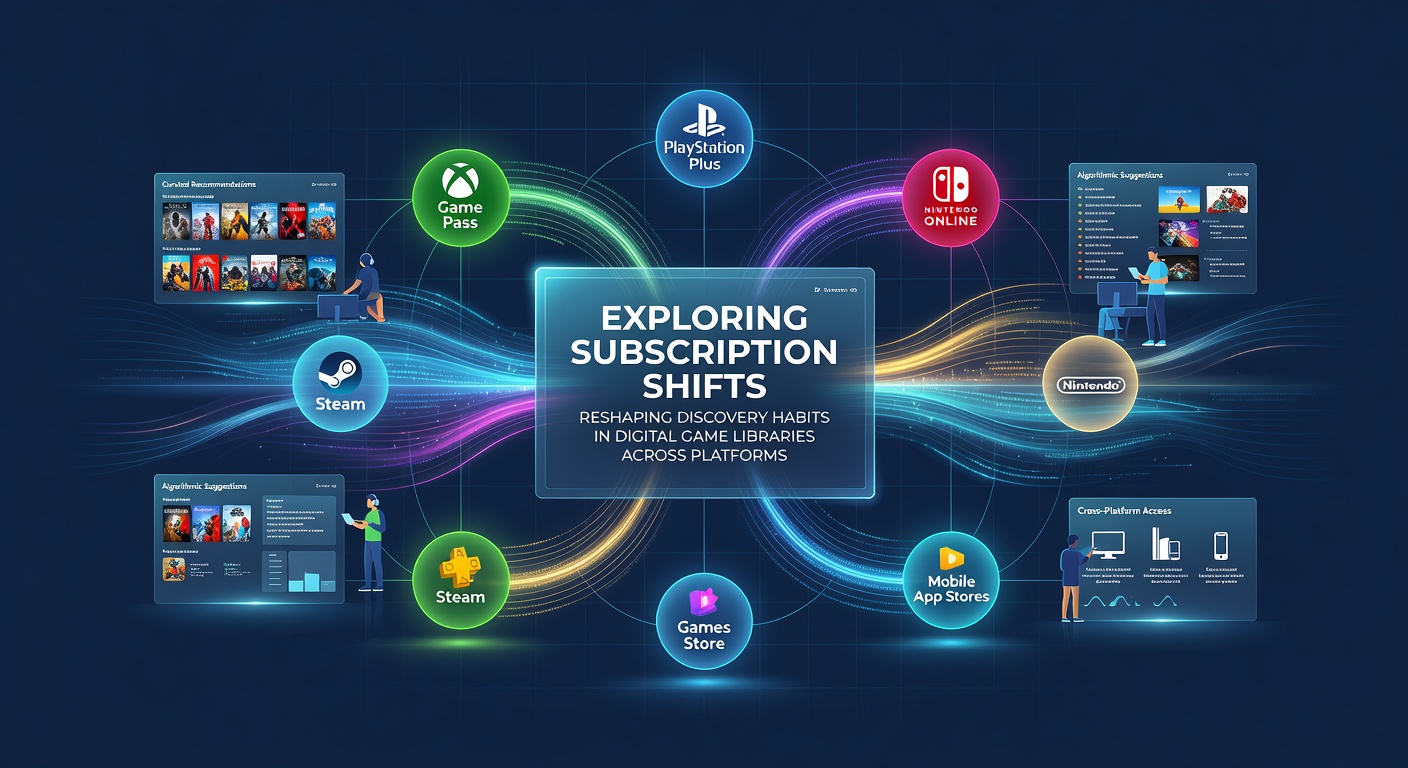
Exploring Subscription Shifts Reshaping Discovery Habits in Digital Game Libraries Across Platforms
Subscription services have expanded digital game libraries on consoles and PCs since the mid-2010s, and observers note that these models continue to influence how users locate and select titles. In June 2026 data from industry tracking firms showed increased catalog sizes across major platforms, with users spending more time navigating curated sections rather than individual purchase pages. Researchers from multiple regions documented shifts in browsing patterns that favor algorithmic suggestions and themed collections over manual store searches.
Expansion of Subscription Catalogs and Platform Integration
Platforms such as Xbox Game Pass, PlayStation Plus, and Nintendo Switch Online maintain growing libraries that combine first-party releases with third-party additions, and this structure encourages repeated visits to a single service hub. Data from the Entertainment Software Association indicates that subscription users in North America accessed an average of 12 new titles per quarter through these systems during early 2026, compared with lower figures for standalone purchases. European regulatory reports similarly track how unified libraries reduce the need for cross-platform store navigation, since users often remain within one ecosystem for extended periods.
Library interfaces now feature layered recommendation engines that pull from play history, genre preferences, and current promotions, and these tools guide discovery without requiring users to exit the subscription environment. Studies conducted at academic institutions in Australia found that participants using integrated libraries completed initial title selection 30 percent faster when relying on personalized queues rather than full catalog browsing.
Observed Changes in User Browsing Behaviors
Users across consoles and PCs demonstrate altered routines when subscription access replaces direct purchases, and analysts describe longer sessions spent in discovery modes such as “recommended for you” or seasonal event highlights. Canadian research groups reported that subscription members opened fewer external storefront pages and instead cycled through in-app filters for multiplayer compatibility or controller support. This pattern appears in both casual and dedicated player groups, although the specific filters chosen vary by device type.
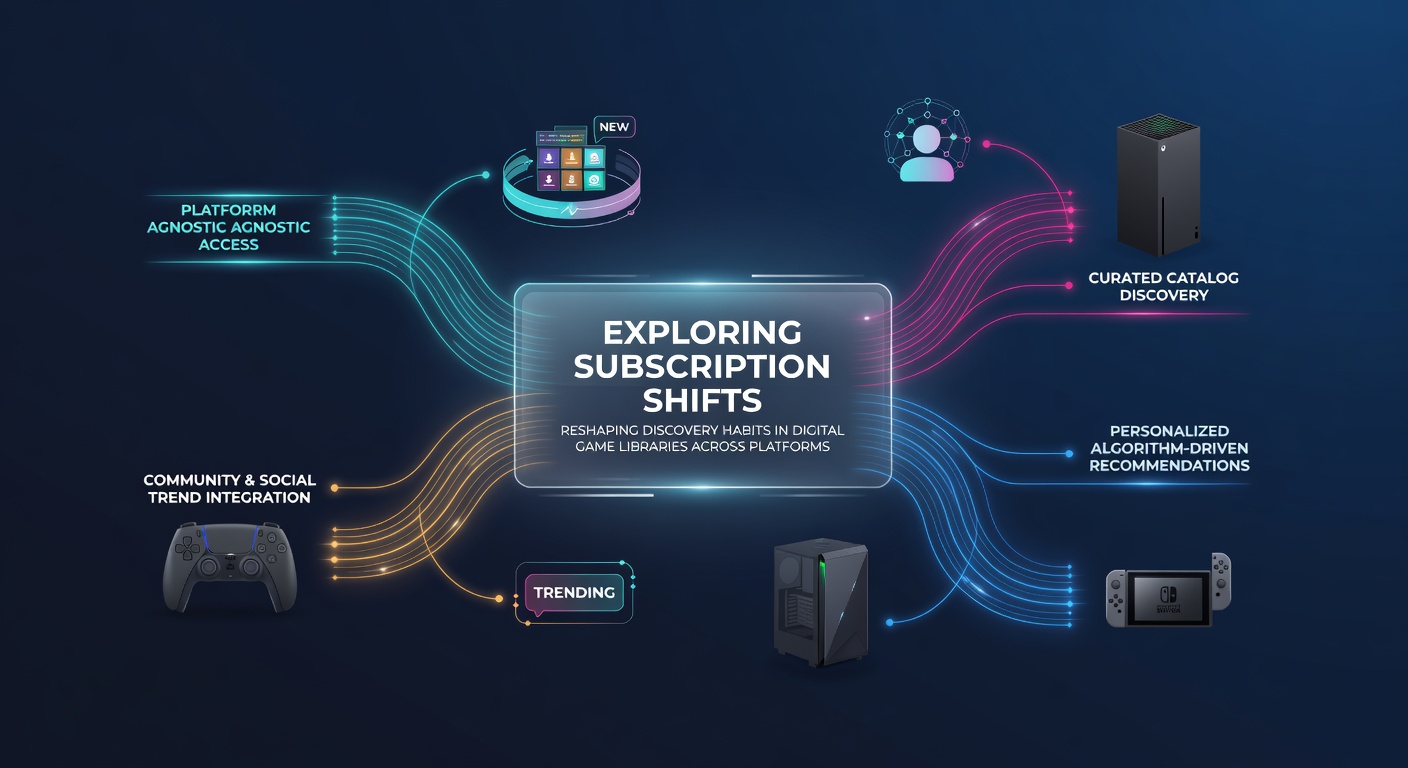
Cross-platform accounts further consolidate discovery, because save data and progress markers sync across devices and reduce the friction of trying a new game on a secondary platform. Industry organizations tracking 2026 metrics noted that synchronized libraries increased the frequency of short demo sessions, since users could sample titles without additional cost barriers. Those who studied retention patterns observed that participants returned to the same discovery interface multiple times per week when new additions appeared in weekly update feeds.
Regional Data on Library Usage and Selection Patterns
Figures released by European gaming trade associations in spring 2026 revealed that subscription-driven discovery accounted for over half of all new game starts in surveyed households, while direct purchases declined in several age brackets. In parallel, reports from Japanese research bodies highlighted how mobile-linked subscription tiers on Nintendo platforms influenced handheld users to explore shorter session games during commuting periods. These geographic differences illustrate how hardware form factors interact with subscription structures to shape selection habits.
Academic papers examining user logs found that repeated exposure to themed collections, such as “indie showcases” or “cooperative adventures,” correlated with higher completion rates for selected titles. Observers tracking these trends emphasize that the presentation order within libraries affects visibility, with top-row placements receiving disproportionate attention regardless of genre.
Technical Features Supporting Discovery Within Subscriptions
Search and filter tools have evolved to include tags for accessibility options, cloud streaming status, and local co-op support, and these refinements allow users to narrow large catalogs quickly. Platform developers integrated smart folders that update automatically based on recent additions, and telemetry data shows increased interaction with these dynamic groupings. When combined with achievement previews and playtime estimates, the tools provide concrete decision points that replace traditional word-of-mouth recommendations in many cases.
Developers who publish through subscription services often receive aggregated discovery analytics, which in turn inform future update scheduling and marketing placements. Trade group summaries indicate that titles featured in rotating highlight slots maintain elevated play counts for several weeks after promotion ends, suggesting sustained visibility effects beyond initial exposure.
Conclusion
Subscription services have restructured digital game libraries into centralized hubs where algorithmic curation and cross-device synchronization guide user choices, and available data through June 2026 documents measurable shifts in selection speed and session frequency. Platform-specific implementations continue to evolve alongside hardware capabilities, while regional studies illustrate consistent yet varied adoption patterns across markets. These developments reflect ongoing adjustments in how catalogs are organized and presented to subscribers worldwide.