How Player Migration Patterns Between Free-to-Play Ecosystems Reshape Hardware Upgrade Cycles on Consoles and PCs
Otto Otto · Jul 27, 2026
How Player Migration Patterns Between Free-to-Play Ecosystems Reshape Hardware Upgrade Cycles on Consoles and PCs
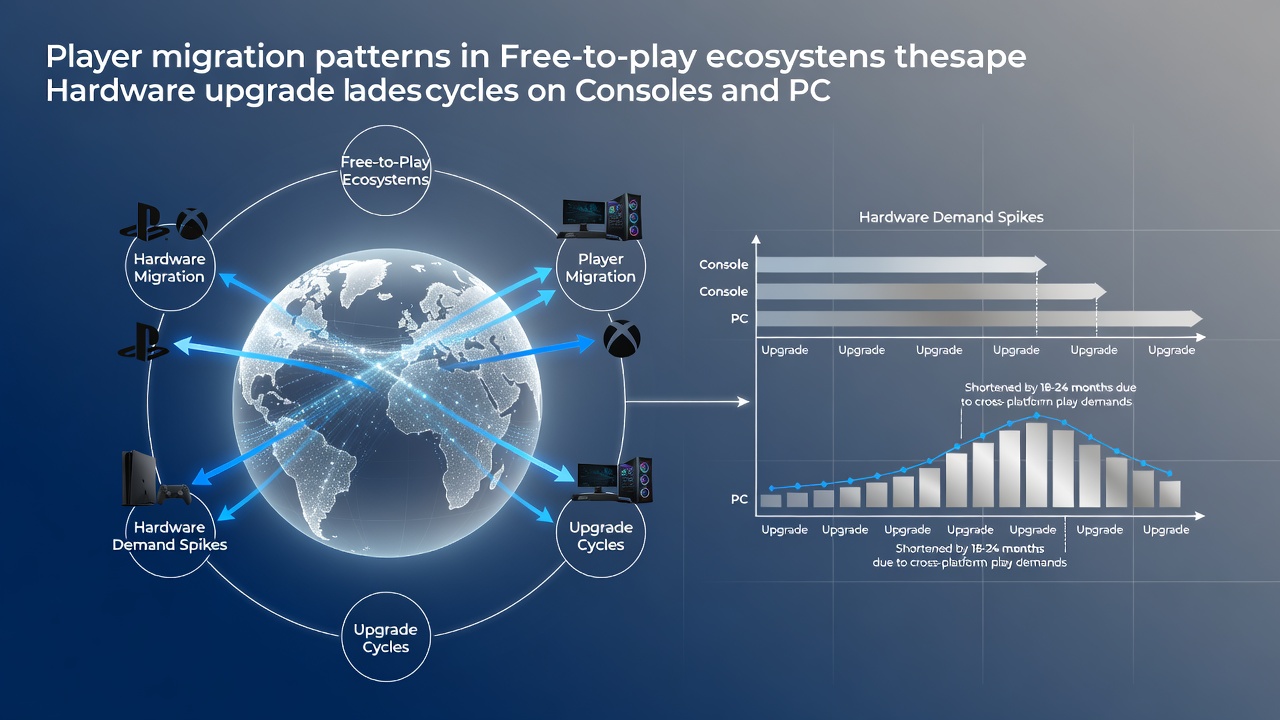
Free-to-play ecosystems continue to drive shifts in player behavior across multiple platforms, and observers note that these movements directly influence when users decide to upgrade consoles or PCs. Data from industry reports shows that players frequently move between titles like battle royales and gacha games, which creates new demands on hardware performance and longevity. As of July 2026, tracking services reveal that migration spikes often align with major content updates in one ecosystem while another sees temporary declines.
Patterns of Player Movement Across Ecosystems
Research indicates that players rarely stay locked into a single free-to-play title for years, and instead they sample multiple games within short timeframes. Studies from academic sources have documented how seasonal events pull audiences toward one platform while pushing others aside, which then affects the perceived need for stronger graphics cards or faster consoles. One analysis from the European Games Developer Federation highlighted that cross-ecosystem jumps increased by measurable percentages during 2025, with participants citing better optimization in newer titles as a key factor.
Those who track player data through analytics firms point out that mobile-to-console migrations have become more common, yet console-to-PC shifts also occur when exclusive events launch on specific ecosystems. Figures from the Entertainment Software Association show that hardware refresh cycles shortened in regions where multiple free-to-play games competed directly for attention during overlapping periods. Players often discover that older hardware struggles with simultaneous updates across several titles, prompting earlier purchases.
Effects on Console Upgrade Timelines
Console manufacturers release mid-generation revisions at intervals that now intersect with free-to-play migration waves. Data shows users who switch between ecosystems tend to upgrade sooner when a new title demands higher frame rates or storage capacity than their current system provides. Researchers at one European institution found that console sales data correlated with migration peaks, especially when games introduced advanced rendering techniques that older models handled less efficiently.
But here's the thing: many console owners delay upgrades until a specific ecosystem draws them in, and then they accelerate the purchase. Reports from the Interactive Games and Entertainment Association in Australia indicate that upgrade rates rose noticeably after large player influxes into certain battle royale titles during early 2026. This pattern holds across regions where free-to-play content updates release on staggered schedules, keeping hardware demand steady rather than seasonal.
Changes in PC Hardware Refresh Behaviors
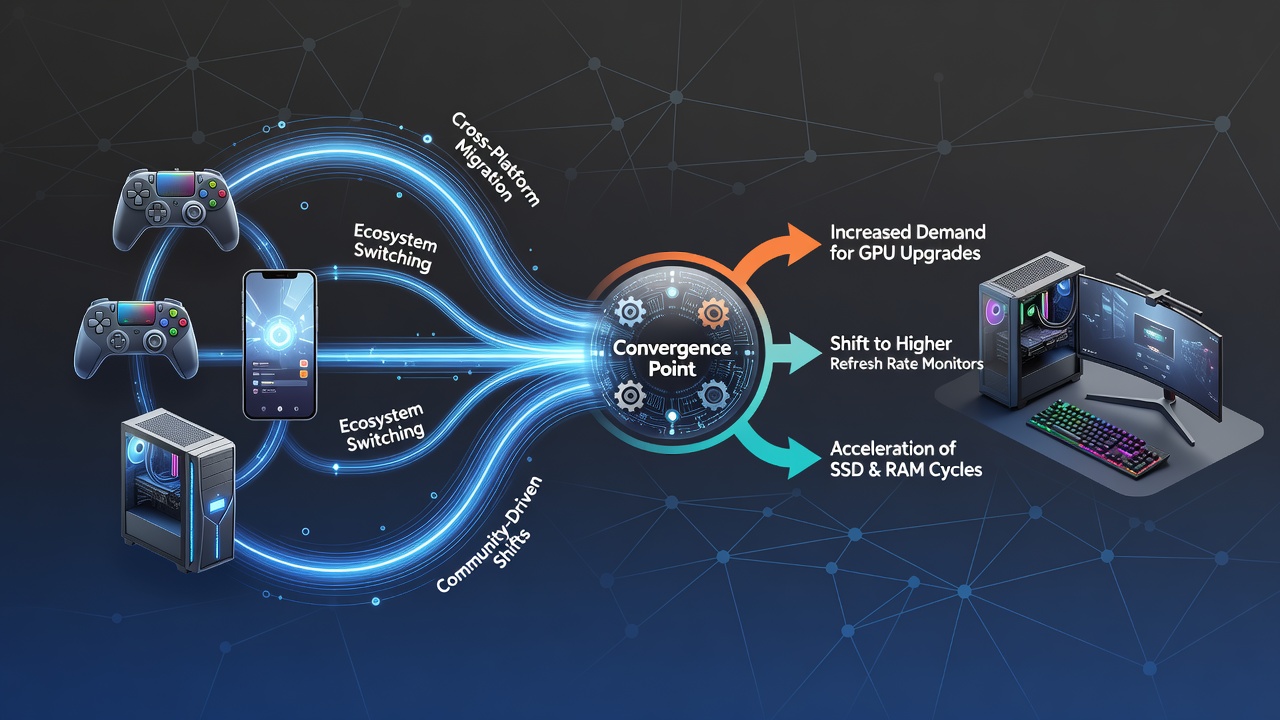
PC builders experience different pressures because component choices allow incremental upgrades instead of full system replacements. Evidence suggests that players migrating from console ecosystems often invest first in GPUs and SSDs to match performance levels seen in their previous platform. University-led studies have tracked how free-to-play title demands, such as higher texture loads or ray tracing features, push users toward specific part replacements at shorter intervals than traditional release cycles would predict.
Those who monitor component sales data observe that graphics card turnovers align with major free-to-play expansions across multiple ecosystems simultaneously. Migration between games can expose limitations in CPU performance during crowded online sessions, leading to targeted upgrades rather than complete rebuilds. Figures reveal that PC users in North American markets showed accelerated refresh patterns when ecosystems overlapped in content delivery schedules through mid-2026.
Data Correlations and Industry Observations
Industry organizations compile reports that link migration volumes directly to hardware metrics. According to analyses from trade groups, regions with high free-to-play engagement display tighter correlations between player movement and upgrade frequency on both console and PC sides. Observers note that storage capacity requirements grow as players maintain multiple installed titles from competing ecosystems, which further influences buying decisions.
Academic papers have examined how these patterns redistribute spending across hardware categories, with some users prioritizing cloud streaming options to extend older device life while others commit to physical upgrades. Data collected through 2026 shows that migration-driven demand remains consistent even when individual game populations fluctuate.
Conclusion
Player migration patterns between free-to-play ecosystems continue to influence hardware upgrade cycles through measurable shifts in performance expectations and content demands. Reports from multiple regions demonstrate consistent connections between these movements and the timing of console or PC purchases. As ecosystems evolve, the relationship between player behavior and hardware refresh rates stays central to platform strategies and user planning alike.