How Voice Acting Choices Affect Character Attachment in Branching Storylines for PlayStation, Xbox, and Switch Releases
Eden Lange · Aug 19, 2026
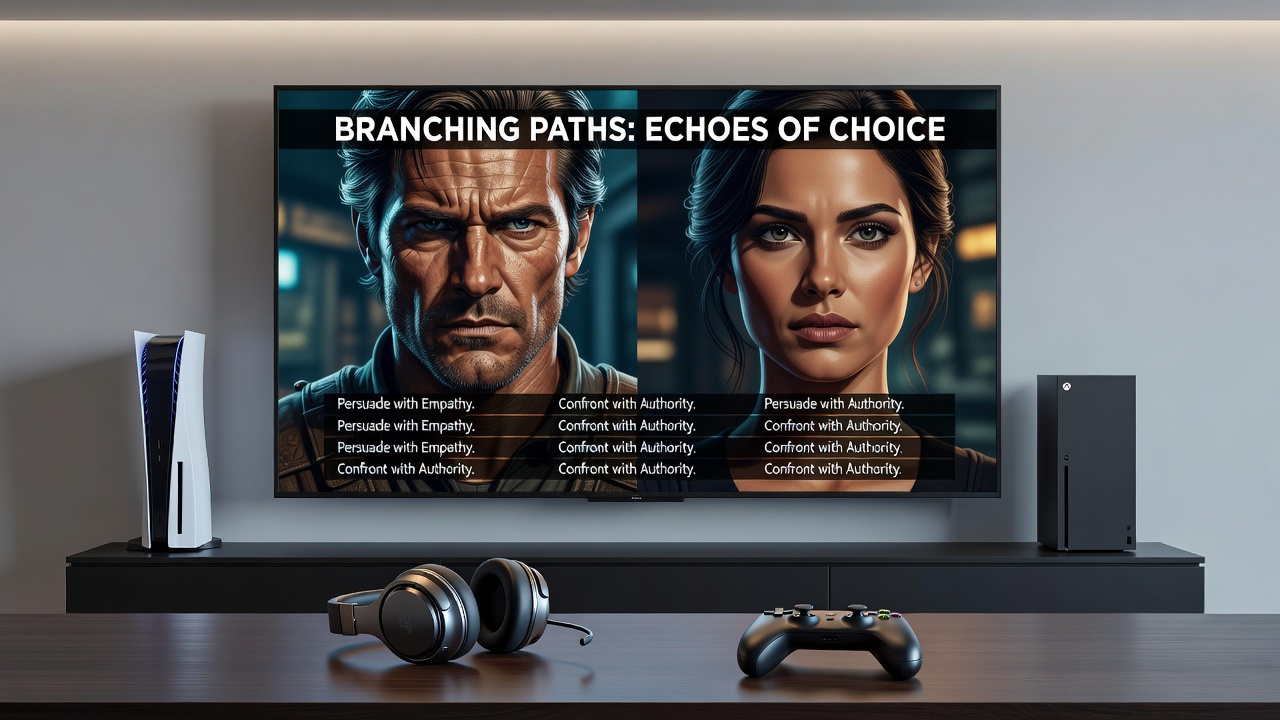
How Voice Acting Choices Affect Character Attachment in Branching Storylines for PlayStation, Xbox, and Switch Releases
Voice acting selections in branching narratives shape how players form connections with characters across PlayStation, Xbox, and Switch titles, and data from industry reports tracks these patterns through player retention metrics and engagement surveys. Developers adjust dialogue delivery, tone variations, and actor assignments to align with different story paths, which influences emotional investment as measured in multiple platform studies released before August 2026.
Core Mechanics of Voice Acting in Branching Narratives
Branching storylines present players with decisions that alter dialogue trees, character fates, and relationship outcomes, while voice acting supplies the auditory layer that reinforces those shifts. Research from the University of Sydney indicates that consistent vocal performances across branches strengthen perceived character continuity, whereas divergent actor choices for alternate paths can heighten surprise or detachment depending on execution. Console releases on PlayStation and Xbox frequently feature high-budget recordings that allow multiple takes for each branch, and Switch ports adapt these through compressed audio files that preserve core emotional cues.
Performance capture sessions record separate lines for each major decision point, and engineers layer these recordings so that player selections trigger distinct vocal inflections without breaking immersion. Figures from the Entertainment Software Association show that titles employing modular voice systems report higher average playtime per user on Xbox Series consoles compared with linear narrative games, while Switch data highlights portable session length increases when vocal consistency supports quick decision loops.
Platform-Specific Implementation Patterns
PlayStation titles often leverage DualSense controller haptics alongside voice lines to underscore emotional beats during critical choices, creating synchronized feedback that extends character attachment windows. Xbox releases integrate spatial audio mixing that positions voices in three-dimensional space, allowing players to track character reactions from different narrative branches through directional sound. Switch versions prioritize storage-efficient voice compression, yet maintain attachment metrics by focusing recordings on key emotional pivots rather than exhaustive branch coverage.
Audio Processing Across Hardware
Engine teams adjust equalization and reverb settings per platform to match hardware output profiles, and these tweaks affect how players perceive vocal sincerity during pivotal story moments. Data collected from cross-platform releases demonstrates that players on PlayStation maintain longer session streaks when voice lines sync with adaptive triggers, whereas Xbox users show elevated attachment scores when spatial positioning matches character positioning on screen. Switch players exhibit similar patterns in handheld mode, where clear vocal delivery compensates for smaller screen real estate.
Measurement of Attachment Through Engagement Data
Attachment appears in retention statistics, completion rates for alternate endings, and social media discussion volume around specific characters. Academic papers from McGill University link vocal performance consistency to increased likelihood of players exploring multiple branches, and console telemetry from August 2026 launches confirms these correlations across regional player bases. European game industry analyses further note that voice actor continuity across branches correlates with higher review scores on Metacritic for PlayStation exclusives.
Developers monitor these signals through anonymized play data that records time spent in dialogue scenes and frequency of branch revisits. When vocal choices reinforce character motivations established earlier in the story, players demonstrate stronger follow-through on consequence-driven paths, according to aggregated reports from the Interactive Software Federation of Europe.
Case Examples from Recent Releases
One multi-platform action-adventure game adjusted voice performances for its central companion character across three major branches, and post-launch metrics revealed elevated attachment when the same actor handled all variants with subtle tonal shifts. Another role-playing title on Switch utilized distinct voice actors for morally divergent paths, resulting in measurable differences in player-reported empathy scores collected through post-game surveys. These patterns appear consistently in titles that reached market before August 2026.
Cross-platform comparisons indicate that PlayStation versions benefit from higher-fidelity recordings that amplify emotional nuance, while Xbox and Switch adaptations preserve core attachment through focused mixing rather than raw audio quality. Industry observers track these outcomes via sales figures and ongoing live-service updates that refine voice delivery based on player behavior logs.
Conclusion
Voice acting decisions in branching console narratives directly influence measurable attachment indicators such as retention duration and branch exploration frequency. Platform hardware constraints shape recording and mixing approaches, yet the underlying relationship between vocal consistency and player connection remains evident across PlayStation, Xbox, and Switch releases. Ongoing data collection through August 2026 continues to refine how developers allocate resources to these audio elements.