Investigating Cloud Streaming Adoption Rates and Their Influence on Traditional Console Ownership Patterns Among Multi-Platform Users
Otto Otto · Aug 26, 2026
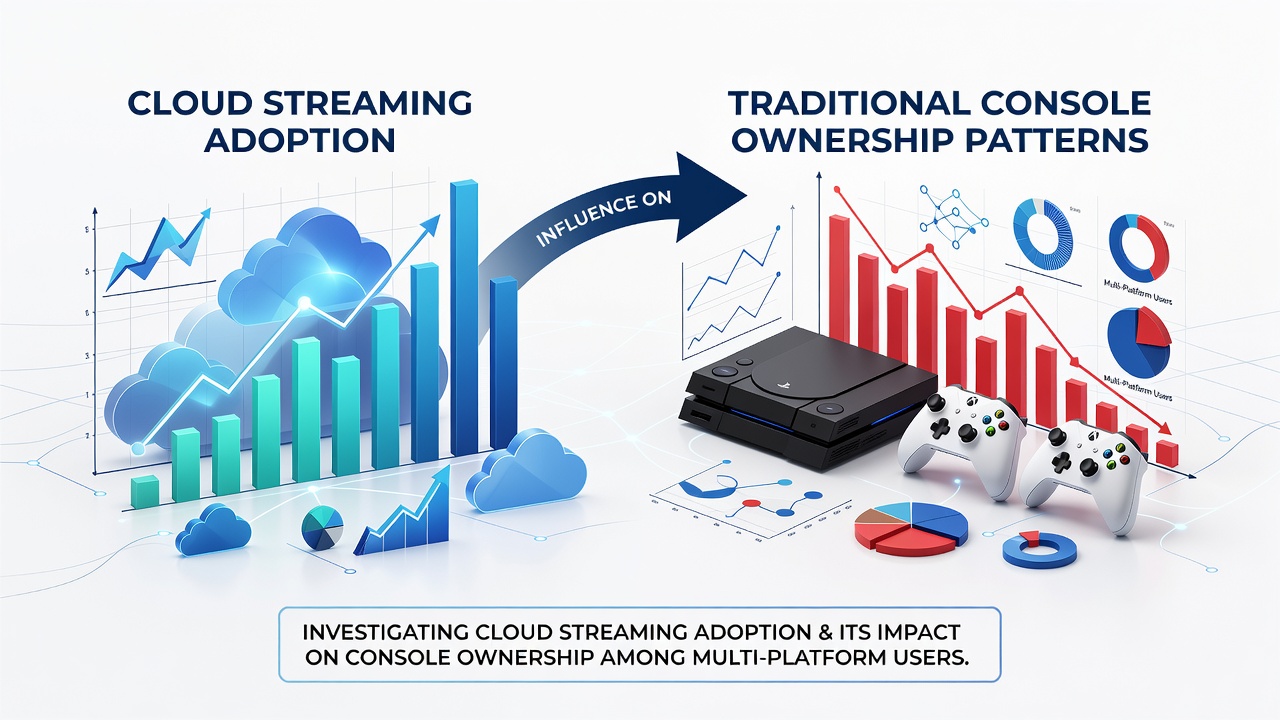
Investigating Cloud Streaming Adoption Rates and Their Influence on Traditional Console Ownership Patterns Among Multi-Platform Users
Cloud streaming services have expanded rapidly in recent years, and adoption data from multiple regions shows steady growth among users who own several gaming platforms. Reports compiled through 2026 indicate that subscription numbers for services such as Xbox Cloud Gaming and GeForce Now reached new peaks during the first half of the year, while traditional console sales maintained stable but slower trajectories in the same period. Researchers tracking these patterns note that multi-platform users often maintain both physical hardware and cloud access rather than abandoning one for the other.
Current Adoption Metrics Across Regions
Data collected by industry analysts in August 2026 reveals that approximately 28 percent of console owners in North America also maintain at least one active cloud streaming subscription. Similar figures from the Interactive Software Federation of Europe place the European rate slightly lower at 24 percent, with higher concentrations among users aged 18 to 34. Australian Bureau of Statistics gaming participation surveys from the same timeframe report that cloud service uptake among households with multiple devices increased by 9 percent year over year. These numbers reflect broad access through broadband improvements rather than outright replacement of hardware ownership.
Multi-platform households demonstrate distinct usage splits. Individuals who own both a PlayStation 5 and an Xbox Series X frequently route certain titles through cloud platforms when traveling or when storage space on local devices runs low. Subscription services allow access to libraries without additional purchases, yet ownership of primary consoles persists for exclusive releases and lower-latency local play. Studies from academic institutions tracking digital entertainment habits confirm that cloud usage functions as a supplement in most documented cases.
Shifts in Console Ownership Trends
Console sales data from major retailers between January and July 2026 shows continued purchases among users already subscribed to cloud services. The pattern holds across demographic groups, with repeat buyers citing preferences for physical media collections or specific controller features unavailable through streaming interfaces. Evidence gathered by market research firms indicates that cloud adoption correlates with delayed upgrade cycles rather than complete avoidance of new hardware. Users who stream older catalog titles often retain previous-generation consoles for backward compatibility reasons while adding cloud access for newer releases.
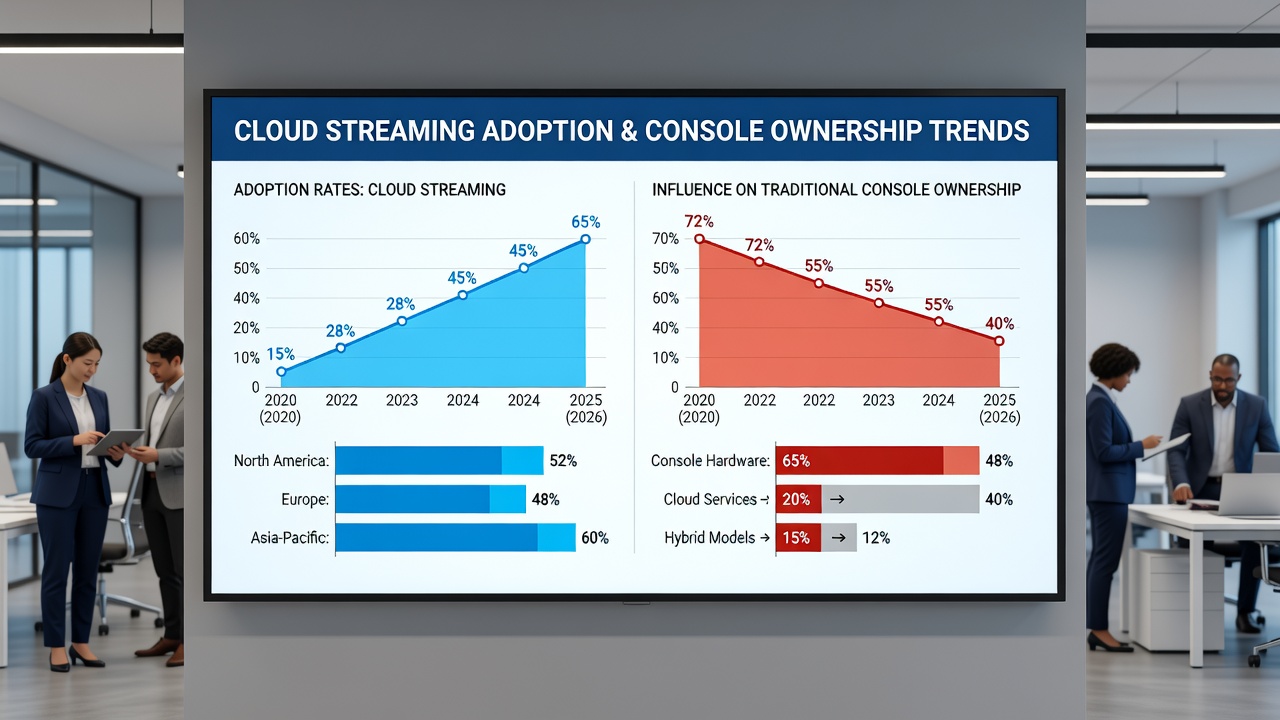
Ownership patterns among users with access to both PC and console ecosystems reveal similar stability. A report issued by the Entertainment Software Association in mid-2026 documented that 41 percent of surveyed multi-platform participants owned at least two dedicated consoles alongside active cloud accounts. These users allocated streaming time primarily to casual or secondary sessions, reserving local hardware for competitive or graphically intensive experiences. Regional variations appear in the data, with North American participants showing slightly higher rates of dual ownership compared with European counterparts who more frequently cite broadband limitations as a factor in hardware retention.
Factors Influencing Concurrent Use
Network infrastructure improvements have supported wider cloud adoption without displacing console purchases. Government broadband expansion programs in Canada and parts of the European Union contributed measurable gains in streaming reliability during 2025 and 2026, according to connectivity reports. Users in these areas report combining cloud access with existing console libraries rather than consolidating to one format. Device portability plays a role as well, since smartphones and tablets enable on-the-go play that complements stationary console setups in the home.
Library overlap between streaming catalogs and owned titles affects behavior patterns. When popular games appear on both cloud services and console stores, multi-platform users often choose based on session length and location rather than exclusive allegiance to one delivery method. Longitudinal tracking by research organizations shows that console ownership rates remain consistent even as cloud subscriptions rise, suggesting parallel rather than competitive consumption models. Price structures for subscriptions and hardware bundles further support this coexistence in documented cases.
Conclusion
Available figures from August 2026 demonstrate that cloud streaming adoption continues alongside sustained console ownership among multi-platform users. Regional data sets from North America, Europe, and Australia indicate complementary usage patterns driven by convenience, library access, and infrastructure factors. Ownership trends show no large-scale displacement in the measured periods, with users maintaining hardware investments while integrating streaming options into existing routines. Continued monitoring through subsequent quarters will clarify whether these parallel trajectories persist as service offerings and network capabilities evolve.