Lighting Design Directs Attention and Shapes Routes in Expansive Virtual Worlds
Katja Krüger · Aug 12, 2026
Lighting Design Directs Attention and Shapes Routes in Expansive Virtual Worlds
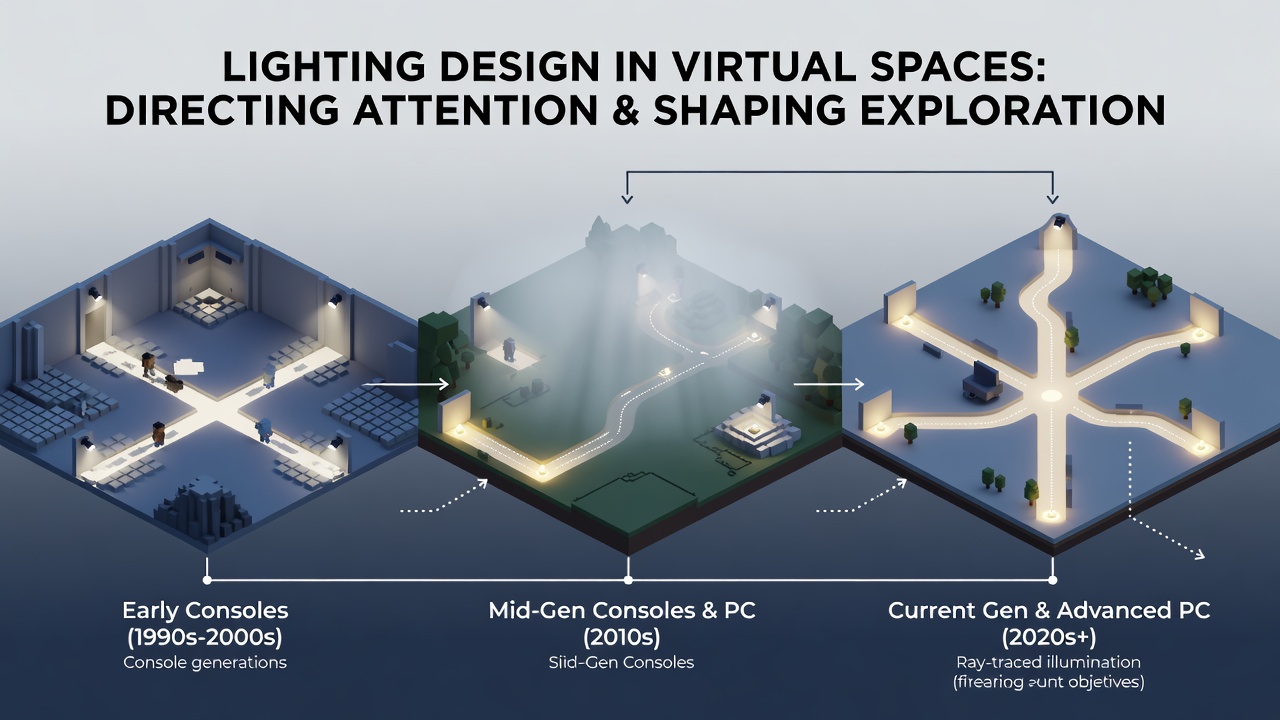
Lighting systems in digital environments have evolved across console generations and personal computers to influence where players look and which paths they choose, according to technical analyses of game engines from the 1990s onward. Early titles on systems like the PlayStation and Nintendo 64 relied on limited color palettes and fixed light sources, yet developers placed brighter hues near objectives while casting shadows over secondary areas, which data from engine documentation shows directed initial player movement without explicit markers.
Foundational Techniques Across Early Generations
Hardware constraints on fifth-generation consoles forced artists to use high-contrast spotlights and saturated colors because polygon counts and texture resolutions remained low, while observers note that these choices created natural funnels toward doorways or item pickups. On personal computers of teh same era, developers gained access to early 3D acceleration cards that supported basic dynamic lights, allowing experiments where flickering torches pulled attention toward hidden alcoves and altered typical exploration loops in first-person titles. Research from university labs tracking eye movements in controlled play sessions confirms that participants consistently followed illuminated corridors first, even when multiple routes existed at equal distances.
Advances in Dynamic and Volumetric Systems
Seventh-generation consoles introduced programmable shaders that enabled real-time light calculations, and developers applied these to create pools of light that expanded or contracted based on player proximity. Titles released during this period used color temperature shifts, such as cooler blues near hazards and warmer tones near safe zones, which studies of player telemetry data reveal correlated with reduced backtracking rates. On personal computers, community modding scenes extended these capabilities through custom post-processing effects, producing results where light shafts filtered through foliage encouraged vertical exploration in open maps. As hardware progressed into the eighth and ninth generations, consoles like the PlayStation 5 and Xbox Series X integrated hardware-accelerated ray tracing, while personal computers adopted similar pipelines earlier through graphics APIs; both platforms now support global illumination models that cast accurate bounced light, subtly highlighting climbable surfaces or collectible clusters without on-screen prompts.
Cross-Platform Implementation Patterns
Engine middleware used across platforms standardizes many lighting behaviors, yet platform-specific optimizations appear in how shadows resolve at different resolutions and frame rates. Console versions often prioritize consistent light falloff to maintain performance on fixed hardware, whereas personal computer builds allow users to adjust shadow quality and light source counts, which telemetry logs indicate leads to wider variation in chosen exploration routes among players. A SIGGRAPH technical report documents how developers calibrate these parameters to preserve intended pacing across device types. Environmental storytelling benefits when light sources align with narrative beats, such as beams piercing collapsed ceilings to mark progression points, and similar patterns recur in releases scheduled through August 2026 that leverage updated lighting middleware.
Behavioral Data and Exploration Metrics
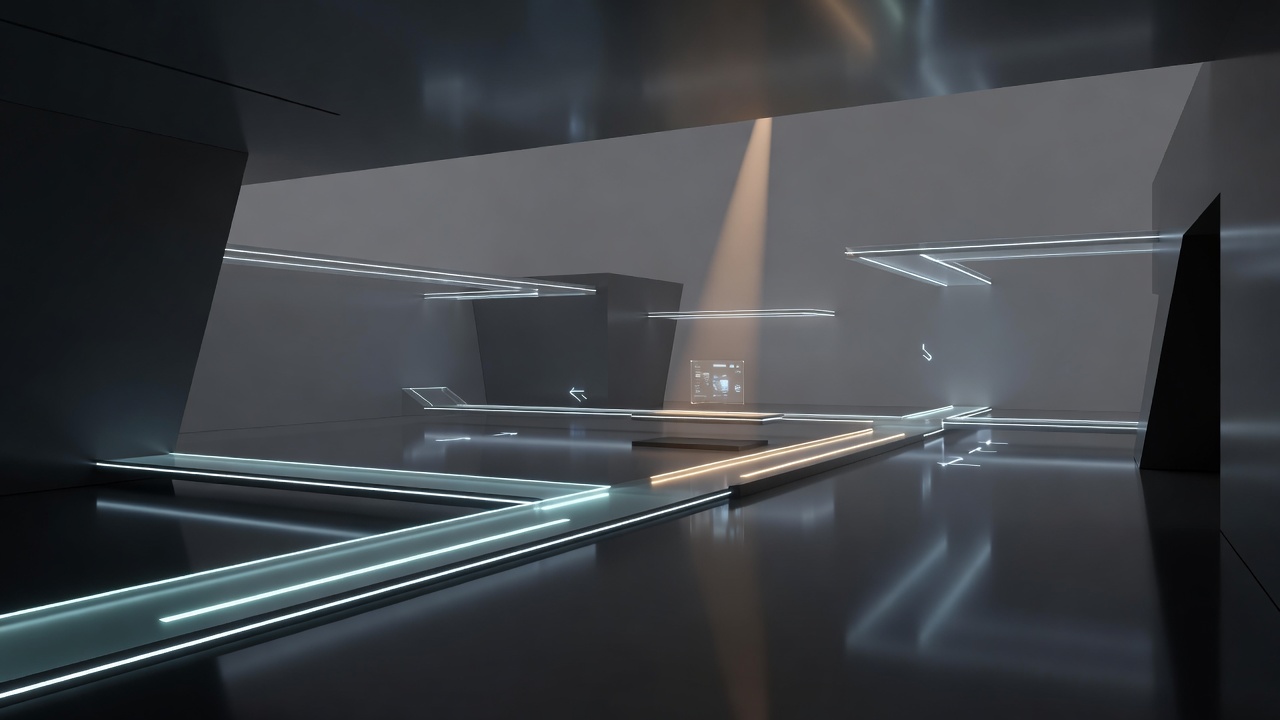
Analytics platforms integrated into modern titles record heatmaps of player positions over time, and these visualizations demonstrate that areas receiving higher light intensity accumulate more foot traffic within the first thirty minutes of play. European research groups tracking cross-platform data sets found that participants on both consoles and personal computers rerouted their paths when developers introduced moving light sources such as lanterns or emergency strobes, while static lighting produced more predictable linear progressions. Color contrast remains a reliable cue because human visual systems prioritize luminance differences, and engine logs show developers exploit this by layering subtle rim lights around interactable objects even in low-visibility zones.
Integration with Other Design Elements
Lighting rarely operates in isolation, yet its interaction with audio cues and particle effects amplifies directional influence, for instance when dust motes catch rays near hidden ledges. Ninth-generation titles and current personal computer releases combine these layers through unified rendering pipelines that adjust in real time to player camera angles, maintaining guidance while supporting nonlinear movement. Industry reports from the Interactive Software Federation of Europe track how such systems reduce player frustration metrics in large-scale maps by distributing visual interest across multiple viable routes.
Conclusion
Lighting design continues to evolve as a core navigation tool across console generations and personal computers, with each hardware advance expanding the subtlety of attention cues available to developers. Data from engine analytics and academic tracking studies consistently shows measurable shifts in exploration patterns tied directly to light placement, intensity, and color choices, confirming its ongoing role in shaping player behavior within expansive digital spaces.