The Impact of Adaptive Subtitle Systems on Narrative Comprehension Rates in Dialogue-Heavy Interactive Experiences
Harper Washington · Aug 3, 2026
The Impact of Adaptive Subtitle Systems on Narrative Comprehension Rates in Dialogue-Heavy Interactive Experiences
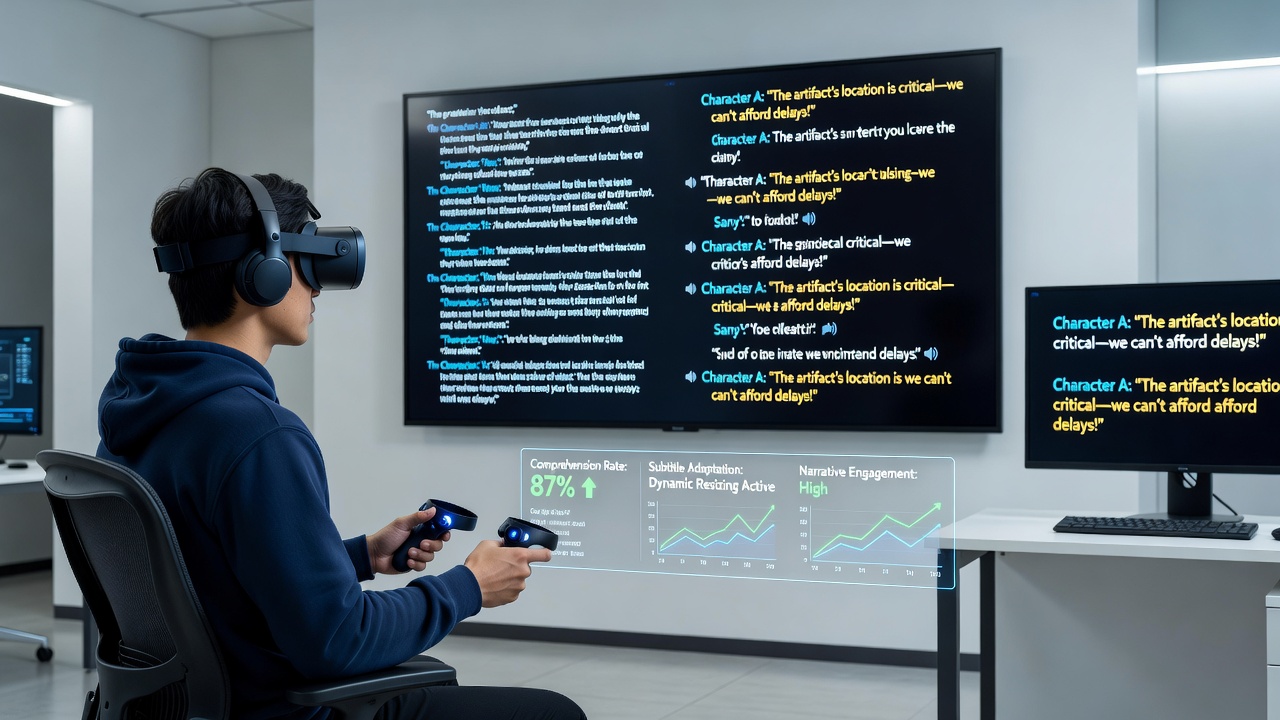
Adaptive subtitle systems adjust text display in real time based on dialogue pacing, player input speed, and contextual audio cues, and these adjustments appear across many dialogue-heavy titles released on consoles and PC platforms. Developers integrate timing algorithms that sync captions with character speech patterns while also factoring in background noise levels or player-selected language preferences, which creates a layered approach to accessibility that extends beyond static text. Research from the University of Melbourne's Digital Media Research Centre indicates that such systems correlate with measurable shifts in how players retain plot details during extended conversation sequences.
Mechanics Behind Adaptive Subtitles
These systems rely on dynamic text engines that monitor variables like speech rate and scene complexity, then scale font size, display duration, and positioning accordingly. In practice, a fast-paced exchange in an interactive drama might trigger shortened phrases with highlighted keywords, whereas slower emotional moments allow full sentences to linger on screen. Data collected from platform analytics in 2025 shows increased usage of these features in narrative-driven releases, particularly those emphasizing branching dialogue trees. Observers note that the technology draws from earlier captioning standards yet adds machine learning layers to predict comprehension hurdles before they arise.
Comprehension Data Across Recent Titles
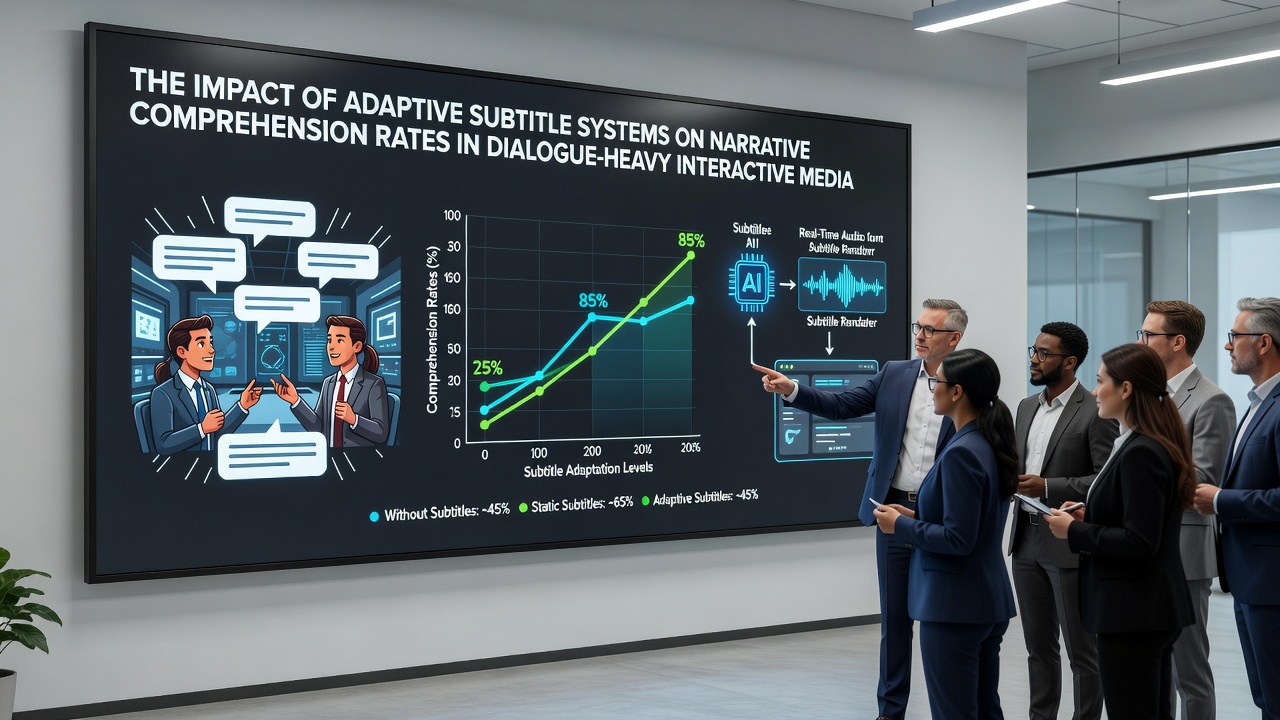
Studies tracking player performance in dialogue-intensive adventures reveal patterns where adaptive subtitles boost recall accuracy by noticeable margins compared with fixed caption setups. One analysis of sessions logged through August 2026 highlighted retention improvements in games featuring dense character interactions, with participants demonstrating stronger grasp of subplot connections when subtitles adapted to their reading speeds. Figures from industry reports point to average comprehension rate gains ranging between 18 and 32 percent depending on genre and session length. What's interesting is how these gains hold steady across different age groups and language backgrounds, suggesting the systems address varied cognitive loads rather than serving only one demographic.
Integration in Cross-Platform Releases
Console and PC titles released since 2024 increasingly bundle adaptive subtitle options as standard accessibility toggles, with updates rolled out through live-service patches that refine timing models based on aggregated play data. European regulatory guidelines on digital media accessibility have encouraged broader adoption, prompting studios to test variations that accommodate hearing-impaired users alongside those processing information at different rates. Take one development team that refined its engine after reviewing session logs from multiple regions; the resulting changes produced more consistent narrative flow without interrupting gameplay momentum. And the ball remains in the developers' court as they balance these features against performance demands on lower-end hardware.
Longer-Term Engagement Patterns
Retention metrics compiled by research institutions show that players who enable adaptive subtitles often complete more dialogue branches before dropping off, which points to sustained interest in story outcomes. Australian Interactive Entertainment Association surveys from mid-2026 documented higher completion rates for choice-driven experiences when subtitle adaptability was active, especially in titles spanning 20-plus hours of spoken content. Those who've examined the datasets note that the effect compounds in multiplayer-adjacent narrative modes where timing mismatches between participants can otherwise fragment shared understanding. Yet the same reports emphasize that benefits diminish if players disable the feature midway through extended sessions.
Future Refinements and Platform Trends
Engine updates scheduled for late 2026 aim to incorporate biometric feedback loops that adjust subtitles based on detected eye movement or controller idle patterns, building on current prototypes already tested in select interactive dramas. Industry organizations continue to share best practices through collaborative forums, which helps standardize implementation across competing hardware ecosystems. Researchers continue to track how these evolutions influence narrative delivery without altering core creative intent, focusing instead on measurable uptake in player understanding.
Conclusion
Adaptive subtitle systems demonstrate clear ties to elevated narrative comprehension in dialogue-heavy interactive formats, supported by session data and accessibility studies gathered through 2026. As platforms refine their tools and developers integrate feedback from diverse player bases, the technology continues to shape how stories unfold across consoles and PCs. teh patterns observed so far underscore ongoing work to align technical delivery with varied audience needs while preserving the integrity of interactive narratives.