Tracking Procedural Weather Integration in Racing Simulators and Its Influence on Strategy Adjustments Across Digital Platforms
Katja Krüger · Jun 15, 2026
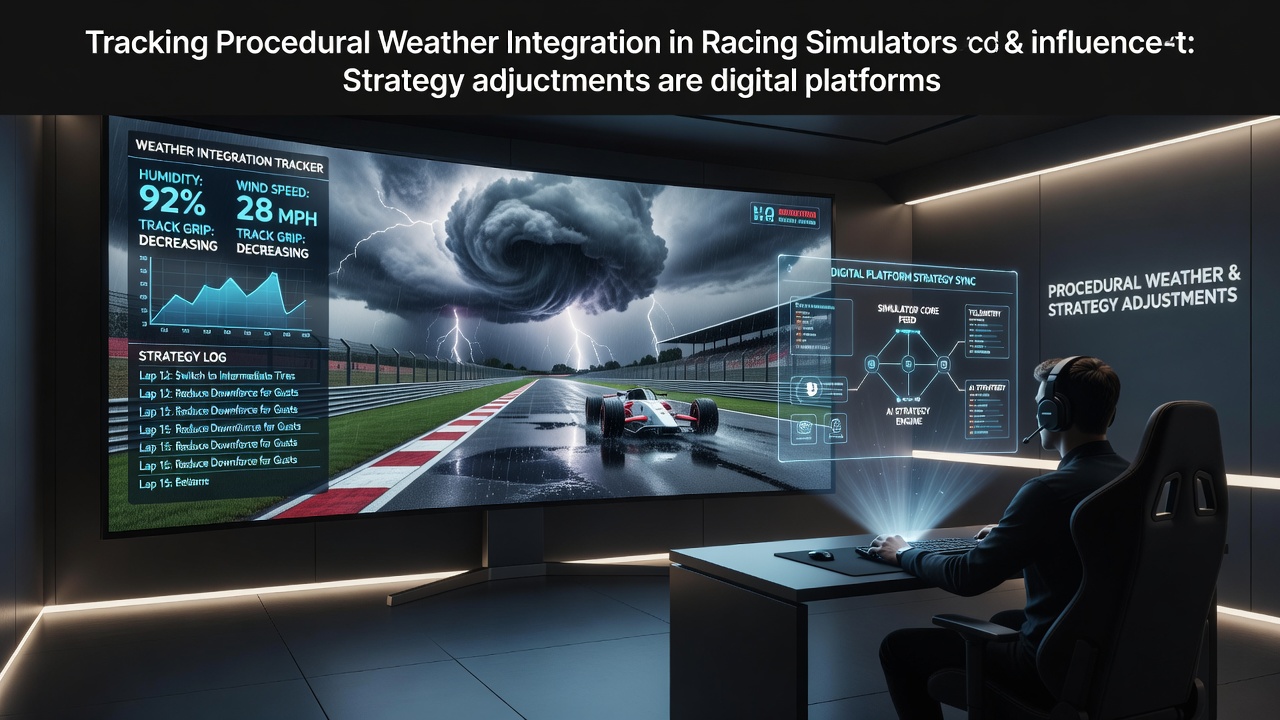
Tracking Procedural Weather Integration in Racing Simulators and Its Influence on Strategy Adjustments Across Digital Platforms
Procedural weather systems in racing simulators generate variable conditions such as precipitation intensity, wind direction shifts, and temperature fluctuations that alter track grip levels while influencing vehicle handling parameters and these mechanics draw from algorithmic models that simulate real-time atmospheric changes across multiple digital environments. Developers integrate these elements into titles available on PC platforms alongside console versions for PlayStation 5 and Xbox Series X where data processing capabilities determine the fidelity of weather transitions during extended race sessions. Observers note that such systems require constant monitoring because sudden downpours reduce traction coefficients by measurable percentages while crosswinds affect aerodynamic stability in high-speed sections.Core Mechanics Behind Weather Algorithms
Simulation engines calculate surface water accumulation rates based on rainfall duration and drainage properties of virtual asphalt compounds and this process connects directly to tire compound degradation models that adjust friction values accordingly. Research from institutions in Canada indicates these calculations incorporate regional climate datasets to produce consistent outcomes across repeated sessions whereas Australian industry reports highlight how temperature gradients influence brake cooling efficiency during prolonged stints. Players adjust their approaches when visibility drops because fog layers obscure upcoming corners and force reliance on radar overlays or audio cues from tire feedback systems.
Strategic Adjustments in Competitive Play
Competitors modify pit stop timing windows when weather forecasts within the simulator predict incoming storms and this leads to earlier tire changes toward wet compounds that maintain contact patches under reduced grip conditions. Data shows that teams monitoring live telemetry often switch fuel loads simultaneously to balance weight distribution against changing downforce requirements and these decisions compound across multi-hour endurance events where cumulative errors in prediction amplify position losses. One study revealed that racers who incorporate wind vector analysis into cornering lines achieve better apex speeds while those who ignore such variables experience higher spin incidents on exposed straights.
Platform Variations in Implementation
PC builds support higher resolution weather particle effects and more granular physics updates compared to console versions where hardware constraints limit simultaneous calculation of multiple environmental layers yet both ecosystems deliver functional strategy shifts based on the same core variables. Cross-platform titles enable synchronized sessions where participants on different devices experience aligned weather events although input latency differences can affect reaction times to sudden changes. Figures from European gaming associations reveal that console users adapt strategies through simplified menu interfaces while PC enthusiasts leverage custom overlays for detailed meteorological tracking and this divergence shapes community practices around event preparation.
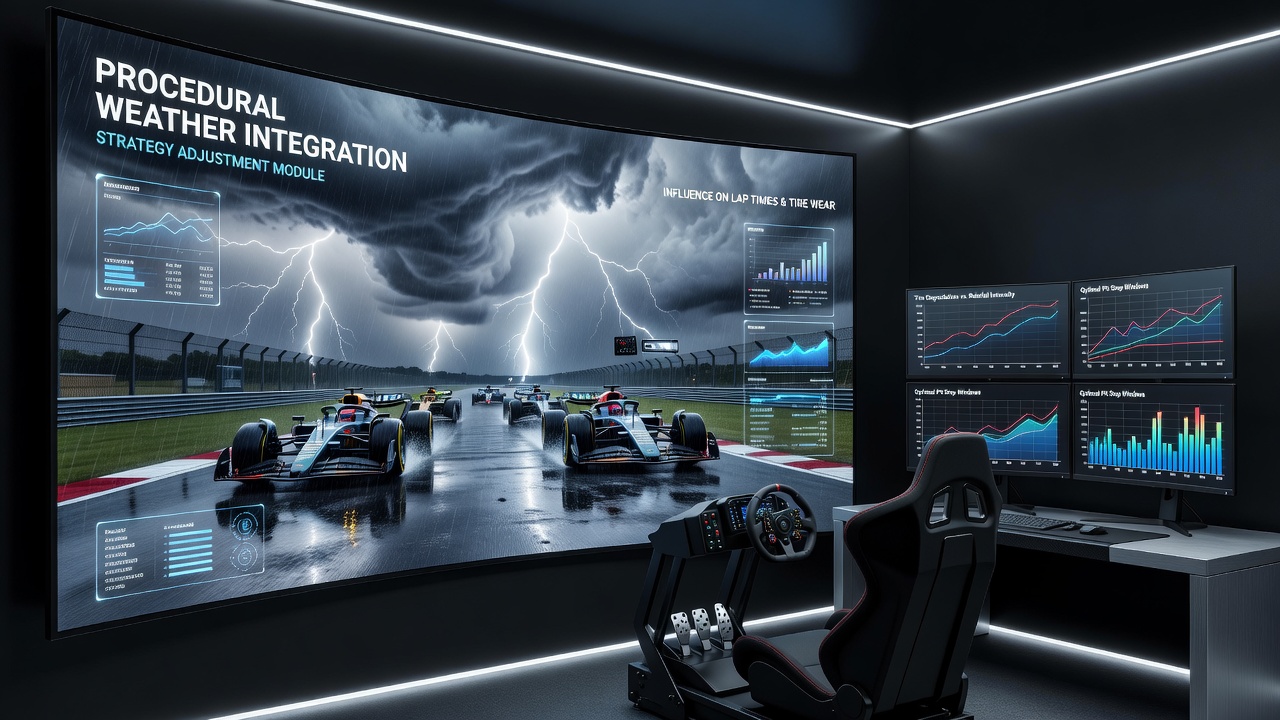
June 2026 brought several simulator updates that refined precipitation modeling across major platforms and introduced hybrid weather states combining light drizzle with rising humidity levels that further complicate tire selection matrices. These enhancements built upon existing frameworks by incorporating machine learning refinements derived from aggregated session logs and the resulting data streams allow for more accurate long-range forecasts within races.
Community Data and Retention Patterns
Analysis of participation metrics demonstrates increased session lengths when procedural weather introduces meaningful strategic depth because participants invest additional time in practice modes to test variable responses. Industry organizations across different regions track these trends through anonymized telemetry exports and the findings connect weather complexity directly to engagement spikes in both casual and ranked matchmaking queues. Observers have documented how new entrants gradually adopt advanced planning techniques after initial exposure to unpredictable conditions while veterans refine predictive models based on historical event archives.
Conclusion
Procedural weather integration continues to shape competitive dynamics in racing simulators by demanding adaptive responses that span tire management, route planning, and resource allocation across PC and console environments and the ongoing refinement of these systems supports sustained interest through varied challenge profiles. Researchers continue to examine correlations between weather variability and performance outcomes while platform developers align technical capabilities to maintain equitable access to strategic tools.